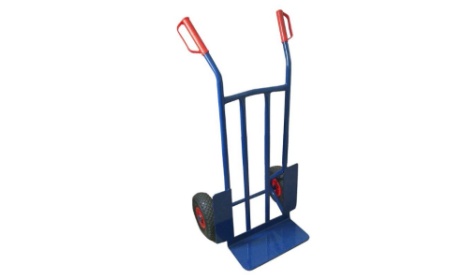
When you choose a Hand Trolly for heavy moving, consider several key factors: load capacity, build quality, wheel type, ergonomics, safety, and any special features. Think about what items you need to move and the environment where you’ll be using the Hand Trolly. The right Hand Trolly can help you lift and transport items more safely and efficiently. Research shows that using a proper Hand Trolly can reduce muscle strain and decrease the risk of injuries, especially when navigating stairs.
Key Takeaways
Always check how much weight the hand trolley can hold. Putting too much on it can hurt you or break things.
Pick the right hand trolley for what you move most. Some trolleys work better for certain jobs.
Make sure the hand trolley is built strong and uses good materials. A tough frame and strong wheels help keep you safe and last longer.
Look for features that make it easy to use, like comfy handles. These help your hands and make moving things simpler.
Take care of your hand trolley often. Clean it and add oil every month so it works well.
Key Factors to Consider for a Hand Trolly
When you pick out a hand trolly for heavy moving, you want to focus on the key factors to consider. These factors help you stay safe, work faster, and make your job easier. Let’s break down what matters most.
Load Capacity and Weight Limits
Load capacity is the first thing you should check. This tells you how much weight your hand truck or moving dolly can handle without breaking or tipping over. If you overload your dolly, you risk hurting yourself or damaging your equipment. You also shorten the life of your hand truck.
Here’s a quick look at standard weight capacity for different types of hand trucks and dollies:
Type of Trolley | Standard Load Capacity |
Industrial Hand Trolley | 2 tons (2,000 kg / 4,400 lbs) |
Residential Hand Trolley | 800 to 1,500 lbs |
You’ll see that industrial hand trucks can carry much more than residential ones. If you work in a warehouse or do a lot of material handling, you need a higher weight capacity. For home use, like moving furniture or appliances, a lower weight limit works fine.
Tip: Always check the weight of your items before loading them onto your dolly. Never guess!
If you go over the recommended weight capacity, you can run into big problems. Here’s what might happen:
Impact Type | Description |
Safety Hazards | Overloading can cause the frame to bend, wheels to break, or the dolly to collapse. |
Component Failure | Wheels, axles, and frames wear out faster and may fail suddenly. |
Operator Injury Risk | You could lose control or tip the dolly, which can lead to injuries. |
You want your hand truck to last and keep you safe. Stick to the right weight limit every time.
Matching the Hand Trolly to Your Needs
Not all hand trucks and moving dollies are the same. You need to match the right type of hand truck or dolly to your job. Think about what you move most often and where you use your dolly.
Here are some common types of moving dollies and hand trucks:
Upright hand truck: Great for boxes and lighter loads. Aluminum frames make them easy to move and reduce strain.
Appliance hand truck: Built from heavy-duty steel. Perfect for heavy items like refrigerators or washing machines.
Convertible hand truck: Switches from two wheels to four. Handles large or awkward items with ease.
Moving dolly: Flat surface with swivel wheels. Works well for bulky things like couches or dressers.
If you move furniture, furniture moving dollies give you a stable base and protect your floors. For big appliances, appliance dollies have straps and extra support. Utility moving dollies are handy for everyday tasks and work well in garages or workshops.
Note: Utility moving dollies and appliance dollies can make tough jobs much easier. You save your back and finish faster.
When you choose the best moving dolly, think about your space. Tight corners? Go for a dolly with swivel wheels. Lots of stairs? Pick a hand truck with stair-climbing features. If you need to store your dolly in a small area, look for a folding design.
Here’s a quick checklist to help you pick the right type of hand truck or dolly:
What is the weight of your heaviest item?
Do you need to move items up or down stairs?
Will you use your dolly indoors, outdoors, or both?
How much storage space do you have for your dolly?
Do you need extra features like straps or brakes?
Choosing the right type of hand truck or moving dolly makes your work safer and more efficient. You avoid injuries, protect your stuff, and get the job done with less effort.
Build Quality and Material of Hand Truck
Sturdy Construction
When you pick a hand truck for heavy moving, you want something that lasts. Sturdy construction means your hand truck can handle tough jobs without bending or breaking. Steel is the top choice for strength and durability. You see steel frames in many industrial hand trucks because they can carry the heaviest loads. Aluminum is another great option. It gives you a lighter hand truck that is still strong. You will find aluminum hand trucks easier to lift and push, which helps if you move things often. Some newer hand trucks use composite materials. These are light and tough, so you get the best of both worlds.
A strong frame gives you better control and keeps your load steady. Heavy-duty wheels, especially those made from metal, add even more strength. They roll well on rough surfaces and do not break easily. If you use your hand truck in a warehouse or outside, sturdy wheels make a big difference.
Here’s a quick look at how different materials compare:
Material | Pros | Cons |
Steel | Very strong, lasts long, cost-effective | Heavy, can rust |
Aluminum | Light, resists rust, easy to handle | Costs more, dents easier |
Tip: If you want a hand truck that lasts for years, choose one with a strong frame and solid wheels.
Nose Size and Design
The nose plate is the flat part that slides under your load. Its size and shape matter a lot. A bigger nose plate lets you carry larger boxes or odd-shaped items. If you move heavy things, make sure the nose plate matches your load capacity. A small nose plate can bend or break if you overload it.
You should always check the nose plate’s weight limit. If you go over it, you risk damaging your hand truck or dropping your stuff. For tall or bulky items, a longer frame helps you stack things safely. The right nose size and design keep your load steady and make moving safer.
Note: Always match the nose plate to the heaviest item you plan to move. This keeps you safe and protects your hand truck.
A well-built hand truck with the right nose plate can last for many years, even with heavy use. Take care of your hand truck, and it will help you move almost anything.
Wheel Type and Maneuverability for Moving Dolly
When you pick a moving dolly, you want it to roll smoothly and turn easily. The wheels make a big difference in how well your dolly handles heavy loads. Let’s look at your options.
Two-Wheel vs Four-Wheel Options
You will see two main types of dollies: two-wheel and four-wheel. Each one works best for different jobs.
Two-wheel dollies, also called hand trucks, stand upright. You tilt them back to move boxes or appliances. They work well in tight spaces and on stairs. You get good control, but you need to balance the load.
Four-wheel dollies, or platform dollies, have a flat base and four wheels. You just push or pull your load. These dollies handle big, bulky items like furniture. You don’t have to balance anything, so it feels easier on your back.
Tip: If you move heavy things up and down stairs, a two-wheel dolly is your friend. For flat floors and big items, go with a four-wheel moving dolly.
Choosing Wheels for Different Surfaces
Wheels come in many shapes and materials. The right wheels help your dolly glide over any surface. You need to think about terrain and surface considerations before you buy.
Here’s a quick guide to match wheels to your floor:
Surface Type | Recommended Wheel Type | Reason/Benefit |
Smooth Concrete Floors | Polyurethane wheels | Durable and protect polished floors, perfect for smooth surfaces. |
Rough Concrete/Dock | Rubber or pneumatic wheels | Absorb shocks and reduce bumps, keep your load steady on rough ground. |
Mixed/All-Terrain | All-terrain casters | Handle gravel, dirt, grass, and uneven spots without getting stuck. |
Soft wheels make less noise and roll quietly. They also protect your floors from scuffs and scratches. You will like soft wheels if you work in a hospital, school, or anywhere noise matters. Polyurethane wheels last a long time and work well in busy places. Rubber wheels give you the smoothest ride and keep things quiet. Hard wheels, like steel or nylon, can be loud and may scratch floors.
Soft wheels absorb bumps and lower noise.
They help you control your dolly on smooth floors.
Polyurethane wheels last longer and resist wear.
Rubber wheels are best for quiet places and light loads.
Note: Good wheel quality means your moving dolly rolls easier, lasts longer, and keeps your stuff safe.
Always check your floors and think about where you will use your dolly. The right wheels make moving heavy things feel much easier.
Ergonomics and Safety Features
Comfortable Handles
When you use a hand truck, the handles should feel nice. Good handle design helps your hands not get tired. If the handles fit your grip, you will not get sore wrists. Curved handles that match your palm help you hold tight. Soft materials and textured grips stop your hands from slipping. This also keeps your hands comfy and dry.
Here’s a table to show what makes handles ergonomic:
Design Element | Recommendation |
Shape and Contour | Curved to fit your palm, no sharp parts. |
Size and Diameter | Between 30–50 mm wide, about 41 mm is best; 100–150 mm long for easy holding. |
Material and Surface Texture | Soft materials feel better; textured grips stop slipping. |
Handles should let your wrist and fingers stay relaxed. This spreads out pressure and keeps muscles from getting tired. You can control the hand truck better and feel less strain. Ergonomic handles help you grip safely, even with heavy loads.
Keeps your wrist and fingers in a comfy spot.
Spreads out pressure so you do not get sore.
Makes holding on easier and safer.
Essential Safety Elements
Safety is important when you move heavy things. Look for hand trucks with brakes, straps, and strong frames. These features help stop accidents and keep your load steady.
Many hand trucks have safety certifications. Here is a table with some top ones:
Certification | Description |
ANSI | Sets rules for safe moving trolleys in businesses. |
ISO | Meets world safety and quality rules, shows it is safe. |
CE Marking | Follows European safety, health, and environment rules. |
OSHA | Makes workplaces safer by lowering lifting risks. |
You also want carts that change height and move easily. These features help you stand up straight and avoid getting hurt. Swivel casters make pushing easier and lower injury risk. Getting hurt from overworking can slow you down and make work less fun. Ergonomic designs can cut push force by more than 70%. This makes your job safer and easier.
Tip: Always check for safety features and certifications before you buy a hand truck. This keeps you safe and makes moving easier.
Special Features for the Right Moving Dolly
Foldability and Storage
You want your right moving dolly to fit your space. Foldable designs help you save room in your garage, closet, or work van. When you finish a job, you can fold the dolly and tuck it away. This makes it easy to store, even if you do not have much space. Some moving dolly models fold flat in seconds. Others have handles that collapse or frames that shrink down. You can carry a foldable dolly in your car or truck without any trouble.
Portability matters, too. If you move things in different places, a lightweight and foldable dolly helps you work faster. You can grab it, unfold it, and get started right away. Some dollies even have stair-climbing features. These special wheels help you go up and down stairs with less effort. Stair-climbing mechanisms make your job easier and safer. They cut down on physical strain and help you move heavy loads up steps. You will notice that dollies with these features cost more. The advanced parts and materials raise the price, but you get better performance and less risk of injury.
Tip: If you need to move things in buildings with stairs, look for a right moving dolly with stair-climbing wheels. You will save time and energy.
Task Suitability
Not every dolly works for every job. You need to match the right moving dolly to your task. Some dollies have straps for holding appliances. Others have special frames for stacking boxes. If you work in a warehouse, you might need a dolly that can handle big loads and move through tight spaces.
Here is a quick guide to help you pick the best moving dolly for your needs:
Dolly Type | Key Features | Ideal Use Cases |
Appliance Dolly | High weight capacity (up to 600 lbs), built-in straps, large tires | Moving large appliances like refrigerators and washers |
Utility Dolly | L-shaped frame, weight capacity (500-800 lbs), vertical stacking capability | Moving stacked boxes and smaller appliances |
Specialty Dollies | Designed for specific challenges, e.g., stair-climbing, convertible designs | Moving items in multi-story buildings or tight spaces |
You should always think about what you move most. If you need to carry heavy appliances, pick a dolly with straps and big wheels. For boxes, a utility dolly works best. If you face stairs or tight corners, choose a specialty dolly. The right moving dolly makes your work safer and faster every time.
Quick Maintenance Tips for Your Hand Trolly
Keeping your hand trolly in top shape is easier than you think. Regular care helps you avoid breakdowns and keeps your moving dolly safe and reliable. Here are some simple tips to help you get started.
Cleaning and Lubrication
Dirt and dust can build up fast, especially if you use your hand trolly in busy or outdoor areas. Cleaning your trolly stops grime from causing problems. Wipe down the frame, wheels, and handles with a damp cloth. Make sure you remove any debris from the wheels so they roll smoothly.
Lubrication is just as important. It keeps the moving parts working well and stops rust. Use a light machine oil on the axles, bearings, and any moving joints. How often should you do this? It depends on where you use your trolly. If you work in a clean place, you can follow a standard schedule. If you use your trolly in dusty or hot spots, you need to lubricate more often.
Here’s a quick table to help you remember:
Aspect | Description |
Importance of Lubrication | Reduces friction, improves productivity, and extends service life. |
Frequency Variation | Lubrication frequency changes with environment and use. |
Consequences of Neglect | Skipping lubrication can cause early failure and expensive repairs. |
Tip: Clean and lubricate your hand trolly at least once a month, or more if you use it in tough conditions.
Inspecting for Wear
A quick check before each use can save you a lot of trouble. Look for these common issues:
Follow these steps to inspect your hand trolly:
Check the wheels and tires for cracks or flat spots.
Make sure the wheels spin freely and don’t wobble.
Inflate tires to the right pressure if needed.
Look over the frame and handle for dents or bends.
Tighten any loose bolts or screws.
Test the brakes and locking parts.
Watch for rust and treat it right away.
Never load more than the trolly’s weight limit.
Store your trolly in a dry place.
Regular maintenance keeps your hand trolly safe and ready for work. These tips help you avoid accidents and make your equipment last longer. A well-cared-for moving dolly always performs better and keeps you moving with less effort.
When you choose a hand trolly, think about what you need. Pick one with strong wheels and the right load capacity. Make sure it has features that fit your space. Try out the hand truck if you can. Look for safety rails or decks that stop slipping. Match the dolly to your job and where you will use it. The best moving dolly keeps you safe and makes heavy jobs easier. Take your time to compare choices. Pick the moving dolly that works best for you.
Remember: A good hand trolly or hand truck lasts longer and saves you effort every day.
Wheel design and maneuverability
Load capacity and durability
Adjustability and special features
Safety and easy maintenance
Task suitability for your environment
FAQ
How do I know which hand trolly is right for me?
You should check the weight of your items and think about where you will use the trolly. Pick a model that matches your needs and fits your space.
Can I use a hand trolly on stairs?
Yes, you can use a hand trolly on stairs if it has stair-climbing wheels. These wheels help you move heavy loads up and down steps with less effort.
How often should I clean and lubricate my hand trolly?
You should clean and lubricate your hand trolly at least once a month. If you use it in dirty or rough places, do it more often to keep it working well.
What safety features should I look for?
Look for brakes, straps, and strong frames. Safety certifications like ANSI or CE Marking show the trolly meets safety standards. These features help you avoid accidents.
Can I fold my moving dolly for storage?
Many moving dollies fold for easy storage. You can keep them in small spaces like closets or car trunks. Foldable designs make your dolly more portable and convenient.

 English
 العربية
 Français
 Русский
 Español
 Português
 Deutsch
 italiano
 日本語
日本語 한국어
한국어 Nederlands
 Tiếng Việt
 ไทย
ไทย Polski
 Türkçe
 አማርኛ
አማርኛ ພາສາລາວ
 ភាសាខ្មែរ
 Bahasa Melayu
 ဗမာစာ
ဗမာစာ தமிழ்
தமிழ் Filipino
 Bahasa Indonesia
 magyar
 Română
 Čeština
 Монгол
 қазақ
қазақ Српски
 हिन्दी
 فارسی
فارسی Kiswahili
 Slovenčina
 Slovenščina
 Norsk
Norsk Svenska
 українська
 Ελληνικά
 Suomi
Suomi Հայերեն
 עברית
עברית Latine
 Dansk
Dansk اردو
اردو Shqip
Shqip বাংলা
বাংলা Hrvatski
 Afrikaans
 Gaeilge
 Oʻzbekcha
 isiZulu


