Introduction
Moving heavy items by hand wastes time and energy. Many workplaces still rely on manual lifting, which slows productivity and increases fatigue. A hand trolly solves this problem by turning lifting into rolling movement. With the right technique, one worker can move boxes, appliances, or equipment efficiently. From warehouses to retail stores, the hand trolly is a key material-handling tool that improves speed and stability. In this article, you will learn how a hand trolly works, how to use it properly, and why it is one of the most effective tools for safe and efficient material transport.
Understanding the Basics of a Hand Trolley
What Is a Hand Trolley and How It Works
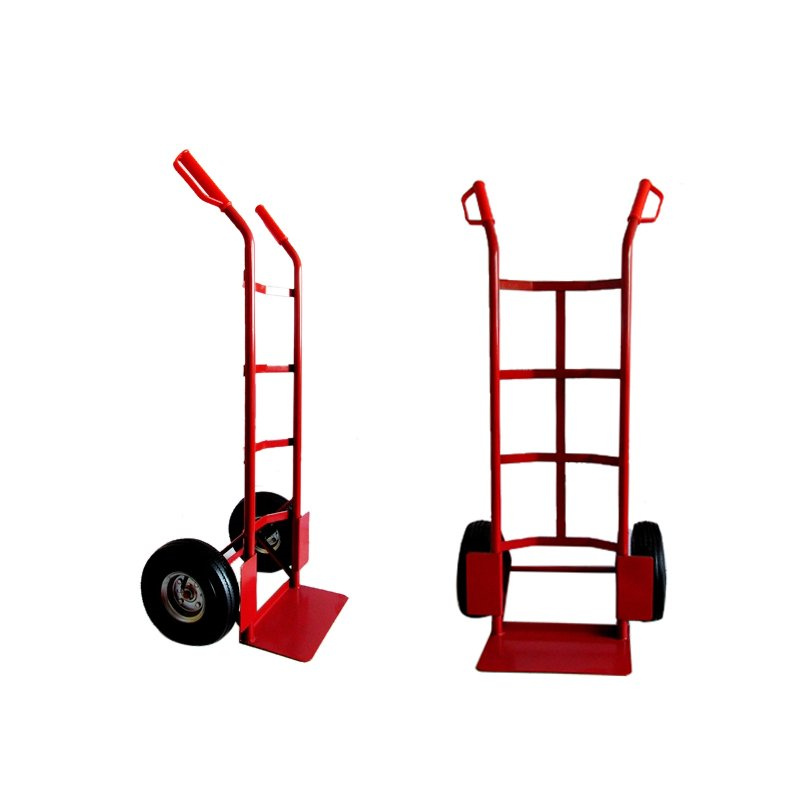
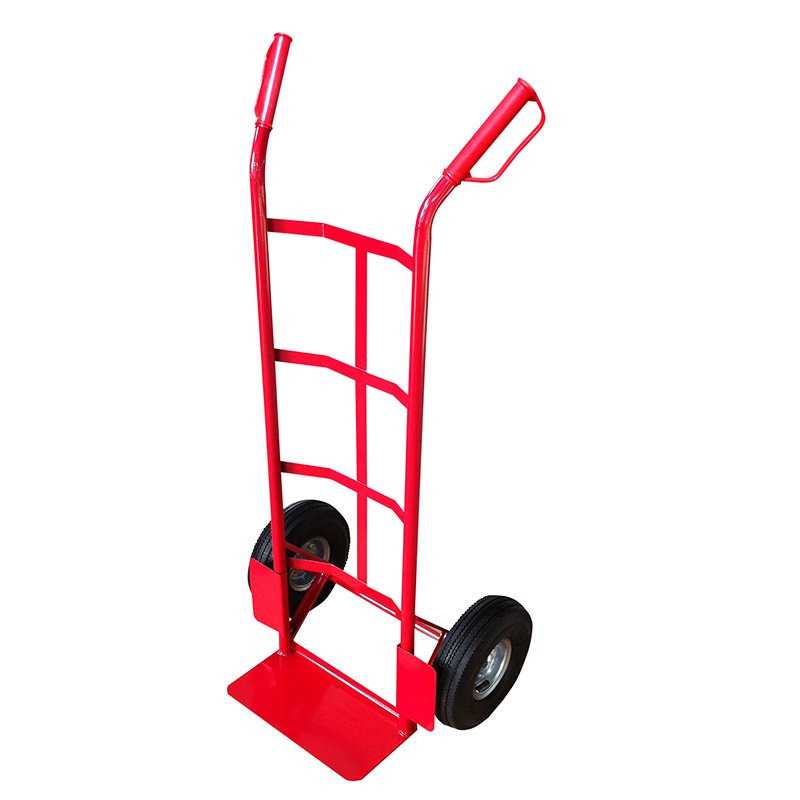
A hand trolly is a compact material-handling tool designed to move heavy objects without manual lifting. It typically features an L-shaped frame, two durable wheels, and a small base plate called a toe plate. Workers slide the plate under a load, tilt the frame backward, and roll the item to its destination. The design uses leverage to shift weight onto the wheels instead of the operator’s arms.
This simple mechanical advantage allows a single worker to move items that would otherwise require two people. Instead of lifting a box or appliance directly, the operator tilts the hand trolly, balancing the weight over the axle. Once balanced, the load becomes easier to control and transport. This principle makes the hand trolly widely used in warehouses, delivery operations, and moving services.
Key Parts of a Hand Trolley You Should Know
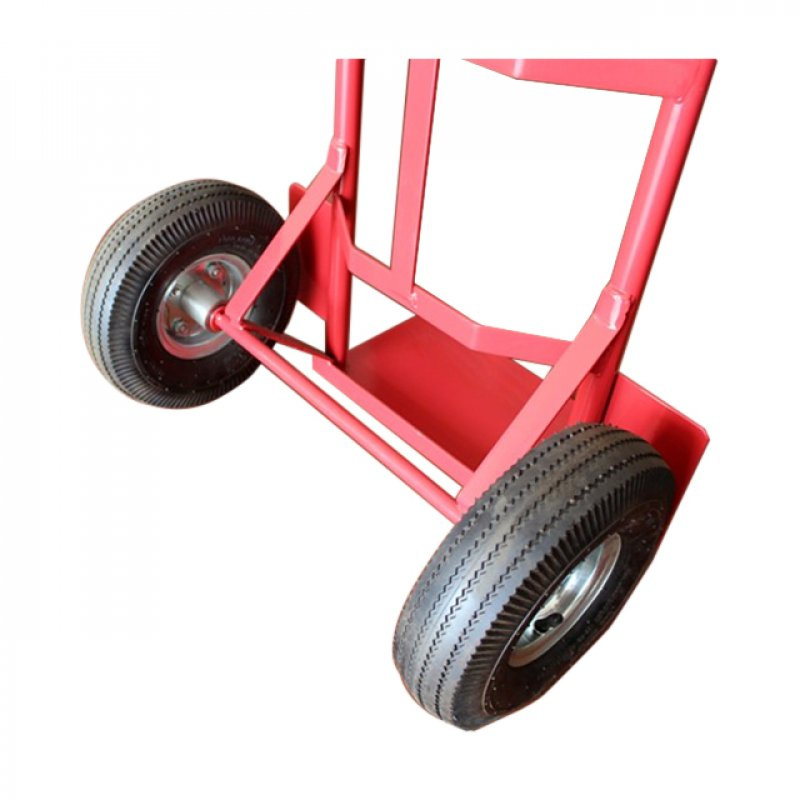
Understanding the components of a hand trolly helps operators use it correctly. The toe plate supports the load and slides under boxes or equipment. The vertical frame provides structural strength and keeps items aligned during movement. At the top, the handle allows the operator to tilt and guide the trolley with controlled force. The wheels are equally important. Larger wheels roll more smoothly over rough surfaces and reduce pushing resistance. Many modern hand trolly designs also include reinforced frames, ergonomic handles, and protective guards that stabilize the load. Knowing these parts ensures operators position the load correctly and maintain smooth control during transport.
Types of Hand Trolleys and Their Typical Uses
Different tasks require different trolley designs. The upright hand trolly is the most common model. It is widely used for moving boxes, crates, and medium-weight goods in warehouses or delivery vehicles. Its compact structure allows it to navigate narrow aisles and doorways. Appliance hand trolleys are designed for heavier items such as refrigerators or washing machines. They often include straps and protective rails to secure large equipment during movement. Convertible hand trolleys offer even greater flexibility. They can switch between two-wheel upright mode and four-wheel platform mode. This adaptability allows workers to move both stacked boxes and oversized items efficiently.
Step-by-Step Guide: How to Use a Hand Trolley Correctly
Positioning the Hand Trolley Under the Load
Correct positioning is the first step when using a hand trolly. Place the trolley upright and slide the toe plate fully under the item. The plate should sit flat beneath the load to ensure proper support. If the object is large, tilt the item slightly so the plate can move underneath without resistance. Once the plate is inserted, align the frame so the load rests at the center. Balanced positioning prevents the item from shifting during movement. Proper alignment also reduces effort when tilting the hand trolly, because the weight will distribute evenly over the wheels.
Tilting the Hand Trolley to Balance the Weight
Before moving a hand trolly, proper tilting technique ensures the load transfers safely onto the wheels. Several ergonomic and mechanical factors influence stability, including tilt angle, load center, push force, and body posture. The following operational parameters help maintain balance and reduce operator strain.
| Operational Factor | Recommended Technical Range / Value | Application Guidance | Key Considerations |
| Tilt Angle of Trolley | 10°–20° from vertical | Maintains the load center above the wheel axle | Excessive tilt may shift weight away from the wheels |
| Load Center Distance | ≤10 cm from trolley frame | Keeps the center of gravity aligned with axle | Larger distance increases tipping risk |
| Wheel Axle Alignment | Load center positioned directly above axle | Ensures most weight is supported by wheels | Misalignment increases arm force required |
| Initial Lifting Posture | Knees bent 30°–60°, straight spine | Uses leg muscles instead of lower back | Reduces spinal compression |
| Handle Grip Height | Typically 90–110 cm from floor | Ergonomic height for average operators | Prevents shoulder strain |
| Recommended Initial Push/Pull Force | ≤320 N (male), ≤220 N (female) | Force needed to start moving the trolley | Higher force indicates excessive load |
| Sustained Control Force | ≤230 N (male), ≤130 N (female) | Force required to maintain movement | Helps prevent fatigue during long transport |
| Wheel Diameter | 200–260 mm common industrial size | Larger wheels roll easier over small obstacles | Smaller wheels increase rolling resistance |
| Load Balance Check | Load stable without sideways tilt | Confirms center alignment before movement | Prevents sudden shifts during transport |
Tip:If the load feels heavy while tilted, it usually means the center of gravity is too far from the frame. Repositioning the load closer to the trolley body will significantly reduce the force required to control it.
Moving the Hand Trolley Safely to the Destination
Controlled movement is essential for stable transport with a hand trolly. Once balanced, the operator should push using steady forward motion while maintaining a walking speed of about 3–4 km/h. This pace keeps the load stable and prevents vibration or shifting. Hands should remain evenly spaced on the handle to maintain directional control. When approaching corners or doorways, slow slightly and widen the turning radius to keep the load aligned with the frame. Consistent speed and smooth direction changes greatly reduce the chance of load instability during transport.
How to Load and Secure Items on a Hand Trolley
Placing Heavy Items at the Bottom
Correct load placement is essential for maintaining stability when using a hand trolly. Heavy items should be positioned directly on the toe plate and close to the frame so the load center remains near the wheel axle. This lowers the center of gravity and reduces tipping risk during movement. For most manual trolleys, the ideal tilt angle is about 10–15°, which keeps the weight balanced over the wheels. Placing heavier cargo at the base also reduces the lifting force required when tilting the trolley and improves maneuverability in narrow aisles or tight working environments.
Securing the Load with Straps or Bungee Cords
Using securing devices greatly improves transport stability on a hand trolly. Ratchet straps or heavy-duty bungee cords hold the load tightly against the frame, preventing movement during turns or stops. For tall equipment such as appliances, straps should wrap around the mid-section of the load and anchor to the trolley frame to distribute pressure evenly. Industrial movers often use straps rated between 300–600 kg to ensure reliable tension. Proper securing also reduces vibration and keeps the load aligned with the trolley’s vertical frame during long transport distances.
Maintaining Visibility and Proper Load Height
Maintaining a safe load height is important for effective control of a hand trolly. The top of the load should remain below the operator’s eye level, usually around 1.5–1.7 m depending on worker height. Keeping the stack compact ensures the operator can see obstacles, door frames, or floor changes ahead. The load should also remain close to the frame so its center of gravity stays aligned with the wheel axis. Balanced height improves turning control and reduces the chance of lateral tipping when navigating narrow corridors or warehouse aisles.
Techniques for Moving a Hand Trolley in Different Situations
Using a Hand Trolley on Flat Surfaces
When operating a hand trolly on flat ground, maintain a tilt angle of about 10–15° so the load center stays directly above the wheel axle. This positioning reduces the force needed to push the trolley and keeps the load stable. The operator should walk at a normal pace, roughly 3–4 km/h, which aligns with ergonomic handling guidelines for manual transport. Keep both hands on the handle and maintain a straight path whenever possible. Smooth rolling reduces vibration on the load and minimizes energy expenditure during longer transport distances.
Using a Hand Trolley on Ramps or Uneven Ground
Ramps and uneven surfaces require careful body positioning and speed control when using a hand trolly. When moving uphill, lean slightly forward to counterbalance the load and maintain traction on the wheels. When descending, keep the trolley tilted and walk slowly to prevent the load from shifting forward. Operators should avoid sudden direction changes because uneven ground increases wheel resistance. Larger wheels, typically 200–260 mm in diameter, help maintain smoother movement over rough floors and small obstacles, improving stability during transport.
Using a Hand Trolley on Stairs
Stair transport demands controlled movement and proper load positioning. When moving upward with a hand trolly, tilt the frame so the load stays close to the trolley body and pull the unit one step at a time. The operator should keep arms extended and maintain stable footing before lifting to the next step. For downward movement, staying above the load allows gravity to assist while still maintaining control. Many professional stair-climbing trolleys use tri-wheel systems or track wheels, which distribute weight across steps and reduce lifting effort during vertical transport.
Best Practices for Safe and Efficient Hand Trolley Operation
Lift with Your Legs, Not Your Back
Correct lifting mechanics are essential when loading a hand trolly. Operators should position their feet shoulder-width apart, keep the load close to the body, and bend at the knees while maintaining a straight spine. This posture transfers most of the lifting force to the quadriceps and glute muscles, which are stronger and better suited for heavy work. Occupational ergonomics guidelines also recommend keeping the lifting height between knee and waist level to reduce spinal compression. Using leg-driven lifting not only protects the lower back but also provides better balance and control when tilting the trolley into its rolling position.
Check the Route Before Moving
Before transporting goods with a hand trolly, operators should evaluate the path conditions. Factors such as aisle width, floor condition, slope, and movement distance directly affect pushing force and stability. Careful route inspection helps maintain smooth handling and prevents unnecessary interruptions during transport.
| Inspection Item | Technical Standard / Recommended Value | Application Explanation | Operational Considerations |
| Aisle Width | ≥ 1.0 m (≈ 39 in) for two-wheel hand trolley operation | Allows the operator to stand behind the trolley while pushing | Narrow aisles increase steering resistance |
| Ramp Slope | ≤ 15° (≈ 27% grade) recommended for manual carts | Common in loading docks or warehouse ramps | Steeper slopes usually require powered equipment |
| Walking Speed | 3–4 km/h (normal walking pace) | Maintains stable load control during movement | Faster speeds increase instability risk |
| Floor Friction Condition | Dry and clean surfaces recommended | Provides adequate traction for safe pushing | Wet or oily floors increase slip risk |
| Floor Surface Quality | Smooth floor without cracks or deep grooves | Ensures wheels roll efficiently | Uneven floors may trap wheels |
| Turning Space | ≥ 1.2 m turning radius recommended | Enables controlled directional changes | Tight corners require slower movement |
| Door Threshold Height | ≤ 20 mm (≈ 0.8 in) ideal threshold height | Allows wheels to pass smoothly | Higher thresholds may require lifting front wheels |
| Initial Push Force | ≤ 320 N (male) / ≤ 220 N (female) | Ergonomic guideline for starting cart movement | Higher force increases fatigue |
| Sustained Push Force | ≤ 230 N (male) / ≤ 130 N (female) | Recommended force for continuous pushing | Excess force reduces efficiency |
| Recommended Transport Distance | ≤ 30–35 m (≈ 100 ft) per trip | Ideal range for manual cart transport | Longer distances may require powered solutions |
Tip:In warehouses or distribution centers, marked transport lanes can significantly improve efficiency. Clearly defined paths maintain proper aisle width and reduce the risk of collisions when operating a hand trolly.
Stay Within the Hand Trolley’s Load Capacity
Every hand trolly is engineered with a specific load rating based on frame strength, axle structure, and wheel design. Common two-wheel trolleys typically support 150–300 kg, while reinforced industrial models may handle 500 kg or more. Exceeding this limit increases rolling resistance and shifts the center of gravity away from the wheel axis, making the load harder to control. Operators should also consider the combined weight of the trolley and cargo, not just the load itself. Keeping the weight within rated capacity maintains wheel efficiency, reduces mechanical stress on the frame, and ensures stable, controlled transport during routine material handling tasks.
Practical Tips to Improve Hand Trolley Efficiency
Choose the Right Hand Trolley for the Task
Selecting the appropriate hand trolly requires matching the load type with the trolley’s structural capacity. Standard two-wheel models usually support 100–300 kg and work well for cartons or retail inventory. Heavy-duty steel frames can handle 400–600 kg, making them suitable for appliances and industrial equipment. Wheel diameter also affects performance; wheels between 200–260 mm roll more easily over uneven floors and thresholds. Pneumatic tires improve shock absorption, while solid rubber wheels reduce maintenance. Choosing the correct frame material, wheel type, and load capacity ensures stable transport and minimizes pushing resistance during daily operations.
Organize Loads to Reduce Trips
Efficient load organization improves transport productivity and reduces repetitive handling. Items should be arranged so that the center of gravity stays close to the trolley frame. Heavy boxes should be placed near the toe plate, while lighter items remain higher in the stack. A well-balanced hand trolly allows operators to move several items at once without excessive tilt angle. In warehouse operations, grouping products by destination or order number also reduces unnecessary trips. This structured loading approach shortens handling time and supports smoother workflow across storage, picking, and delivery stages.
Use Smooth Movement and Controlled Speed
Maintaining steady motion is critical for safe and efficient hand trolly operation. The recommended movement speed typically follows normal walking pace, around 3–4 km/h, which helps maintain load stability. Smooth acceleration prevents sudden shifts that could change the load’s center of gravity. Operators should keep both hands on the handle and maintain a tilt angle that keeps the load balanced over the wheels. When approaching corners or doorways, slowing slightly helps maintain control. Consistent movement technique reduces physical strain and allows operators to transport goods efficiently over longer distances.
Conclusion
Using a hand trolly turns heavy lifting into efficient rolling movement, helping workers transport goods faster while reducing fatigue and physical strain. Proper loading, balance, and movement techniques improve safety and workflow in warehouses, retail stores, and logistics operations. High-quality equipment also plays an important role in long-term efficiency. QINGDAO YONGYI METAL PRODUCTS CO., LTD. provides durable and well-engineered hand trolley products designed for stable transport, strong load capacity, and reliable performance, helping businesses improve material-handling efficiency and maintain safer daily operations.
FAQ
Q: What are the main advantages of a handcart?
A: A hand trolly reduces lifting effort and improves transport efficiency.
Q: Why do warehouses use a hand trolly?
A: A hand trolly helps move heavy boxes faster and safer.
Q: How does a hand trolly improve workplace safety?
A: A hand trolly shifts weight to wheels and reduces strain.
Q: Is a hand trolly better than manual lifting?
A: Yes, a hand trolly improves speed, control, and worker safety.
Q: What loads can a hand trolly carry?
A: A hand trolly moves boxes, appliances, and equipment easily.

 English
 العربية
 Français
 Русский
 Español
 Português
 Deutsch
 italiano
 日本語
日本語 한국어
한국어 Nederlands
 Tiếng Việt
 ไทย
ไทย Polski
 Türkçe
 አማርኛ
አማርኛ ພາສາລາວ
 ភាសាខ្មែរ
 Bahasa Melayu
 ဗမာစာ
ဗမာစာ தமிழ்
தமிழ் Filipino
 Bahasa Indonesia
 magyar
 Română
 Čeština
 Монгол
 қазақ
қазақ Српски
 हिन्दी
 فارسی
فارسی Kiswahili
 Slovenčina
 Slovenščina
 Norsk
Norsk Svenska
 українська
 Ελληνικά
 Suomi
Suomi Հայերեն
 עברית
עברית Latine
 Dansk
Dansk اردو
اردو Shqip
Shqip বাংলা
বাংলা Hrvatski
 Afrikaans
 Gaeilge
 Oʻzbekcha
 isiZulu


