Introduction
Moving heavy items safely is a daily challenge in warehouses, factories, retail stores, and hotels. Workers must transport boxes, tools, and equipment quickly without causing strain or slowing operations. A practical solution is the hand trolly, a simple but highly effective tool that reduces lifting effort and improves efficiency. Today, trolleys come in many designs built for different transport tasks. Some handle large industrial loads, while others organize small items or deliver supplies. Understanding the main types of trolleys helps businesses select the right equipment, streamline material handling, and maintain safe, productive workplaces.
Core Types of Trolleys Used in Material Handling
Platform Trolleys for Bulk and Heavy Goods
Platform trolleys are among the most common material-handling tools. They feature a flat deck mounted on four wheels and a handle for pushing or pulling. Workers place boxes, containers, or machinery parts on the platform and move them quickly across warehouses or factory floors. The design provides a large loading surface, which helps transport bulky items that cannot fit into smaller carts. Most platform trolleys use steel or reinforced aluminum frames to support heavy loads. Their stable base allows workers to move stacked goods with confidence. Because of their versatility, many facilities use platform trolleys alongside a hand trolly for different transport tasks within the same workflow.
Upright Hand Trolly
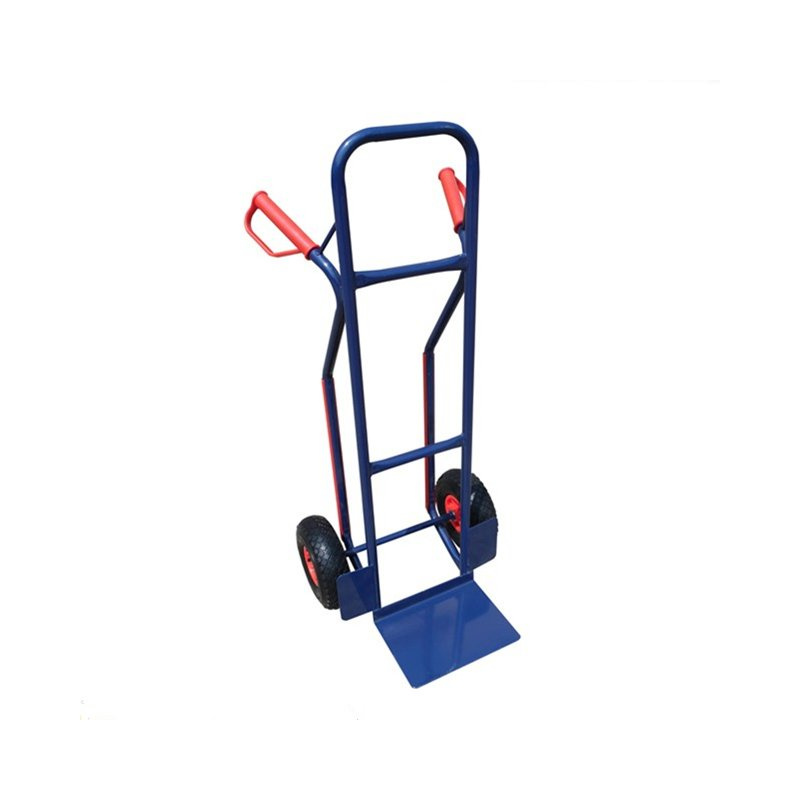
The upright hand trolly, also known as a hand truck, has a simple yet powerful design. It includes a vertical frame, two wheels, and a small load plate that slides under heavy items. Workers tilt the trolley backward to balance the load and move it easily across floors. This design reduces lifting effort and protects workers from strain during transport. Delivery services, retail warehouses, and moving companies rely heavily on this equipment. A hand trolly is especially effective when transporting stacked boxes, appliances, or packaged goods. Because it supports vertical loads, it remains one of the most practical tools for fast, short-distance material handling.
Pallet Trolleys
Pallet trolleys, often called pallet jacks, are designed to move palletized goods efficiently. They feature two forks that slide under pallets and lift them slightly off the floor. Workers then push or pull the trolley to move heavy loads across warehouses or loading docks. Manual pallet jacks remain common because they are simple and reliable. Electric models provide motor assistance for heavier loads or longer travel distances. In modern logistics operations, pallet trolleys work together with a hand trolly and platform carts to streamline warehouse transport processes.
Multi-Tier and Organized Storage Trolleys
Shelf Trolleys for Organized Item Transport
In workshops and light industrial environments, shelf trolleys help workers move multiple small items in an organized way. Their tiered structure improves efficiency and visibility of parts during transport. Engineers often evaluate shelf number, load capacity, wheel type, and frame materials before selecting the right model.
| Category | Structural Design | Typical Shelf Count | Load Capacity | Common Materials | Wheel Configuration | Typical Applications | Technical Indicators | Operational Considerations |
| Two-Tier Shelf Trolley | Two horizontal shelves with side frame supports | 2 shelves | 100–200 kg total | Powder-coated steel or stainless steel | 4 swivel casters (2 with brakes common) | Workshops, offices, tool transport | Shelf size typically 700–900 mm × 450–600 mm | Keep heavier items on the lower shelf |
| Three-Tier Shelf Trolley | Three stacked shelves supported by corner posts | 3 shelves | 150–300 kg total | Steel frame with plastic or steel shelves | 4 casters (125–150 mm diameter typical) | Manufacturing parts transport | Shelf spacing usually 250–350 mm | Balance load across all shelves |
| Industrial Parts Trolley | Multi-tier shelves with raised edges or bins | 3–4 shelves | 200–350 kg total | Heavy-gauge steel frame | Polyurethane or rubber casters | Assembly lines, electronics production | Edge height often 20–40 mm to prevent slipping | Avoid overloading upper shelves |
| Utility Shelf Trolley | Lightweight tiered shelves for light materials | 2–3 shelves | 80–180 kg total | Polypropylene shelves with steel frame | Rubber or thermoplastic wheels | Hospitals, labs, retail restocking | Wheel diameter commonly 100–125 mm | Clean shelves regularly to maintain stability |
| Tool Storage Shelf Trolley | Shelves combined with tool trays or drawers | 2–3 shelves + compartments | 150–250 kg total | Steel frame with anti-slip shelf coating | 4 heavy-duty swivel casters | Maintenance workshops, garages | Shelf thickness often 1.5–2.5 mm steel | Lock wheels during stationary work |
| Warehouse Shelf Picking Trolley | Multi-level shelves designed for picking items | 3–5 shelves | 200–400 kg total | Steel frame with mesh or solid shelves | Polyurethane wheels | E-commerce order picking | Wheel diameter 125–160 mm | Ensure clear aisle width during movement |
Tip:For production lines or picking tasks, choose shelf trolleys with polyurethane wheels and brakes. They provide smoother movement, lower floor wear, and better control when stopping near workstations.
Order Picking Trolleys for Warehouse Fulfillment
Order picking trolleys are designed for warehouse fulfillment operations. They often include multiple compartments or bins that allow workers to collect products for several orders at the same time. This layout speeds up picking tasks and reduces the number of trips required across storage aisles. Many order picking trolleys also feature hooks for scanners or tablets used in digital warehouse systems. While a hand trolly moves large packages, order picking trolleys focus on handling multiple smaller items. Together they create a balanced material handling system in modern logistics facilities.
Tool Trolleys for Mobile Workstations
Tool trolleys act as mobile storage units for maintenance teams and technicians. They often include drawers, compartments, and a strong top surface where workers can place tools or equipment during repairs. This design allows technicians to bring their tools directly to the worksite instead of returning to a fixed storage area. Automotive workshops frequently use tool trolleys for repairs and diagnostics. They improve efficiency by keeping tools organized and accessible. In many facilities, technicians may use a hand trolly to move larger equipment while relying on a tool trolley for daily maintenance tasks.
Enclosed and Protective Transport Trolleys
Cage Trolleys for Secure Transport
Cage trolleys include mesh or metal walls around the platform to prevent items from falling during transport. These enclosures provide extra security when moving loose goods or high volumes of packages. Workers can safely transport items without worrying about them slipping off the trolley. Retail distribution centers and warehouses frequently use cage trolleys when handling packaged goods. Their enclosed structure improves safety and helps maintain order in busy environments. While a hand trolly carries stacked loads, cage trolleys handle larger batches of smaller items.
Frame Trolleys for Stabilizing Irregular Loads
Frame trolleys are built with supportive frames designed to stabilize awkward or irregular loads. These frames hold items upright or secure them in place during movement. Industries that transport bottles, containers, or cylindrical products often rely on this design. The structure keeps goods balanced even when they cannot be stacked easily. Compared with a hand trolly, which supports vertical box stacks, frame trolleys provide support for products that require additional stability during transport.
Drum Trolleys for Industrial Containers
Drum trolleys are specialized tools designed to transport heavy barrels and industrial containers. These containers often store liquids or chemicals, so safe movement is critical. Drum trolleys feature curved supports or clamps that hold the drum securely during transport. Factories and chemical plants commonly use drum trolleys to move materials between production areas. Their design improves safety and control when handling heavy cylindrical loads. A hand trolly may assist with other cargo, but drum trolleys remain the preferred solution for barrels.
Portable and Space-Saving Trolley Designs
Folding Trolleys for Easy Storage
Folding trolleys feature collapsible frames that allow them to fold flat when not in use. This design saves storage space and makes them easy to transport between locations. Many businesses keep folding trolleys available for occasional transport tasks. Retail stores, offices, and event venues often use folding trolleys for quick material handling. While they typically carry lighter loads than a hand trolly, their portability makes them extremely practical in flexible work environments.
Portable Hand Trolly for Personal and Commercial Use
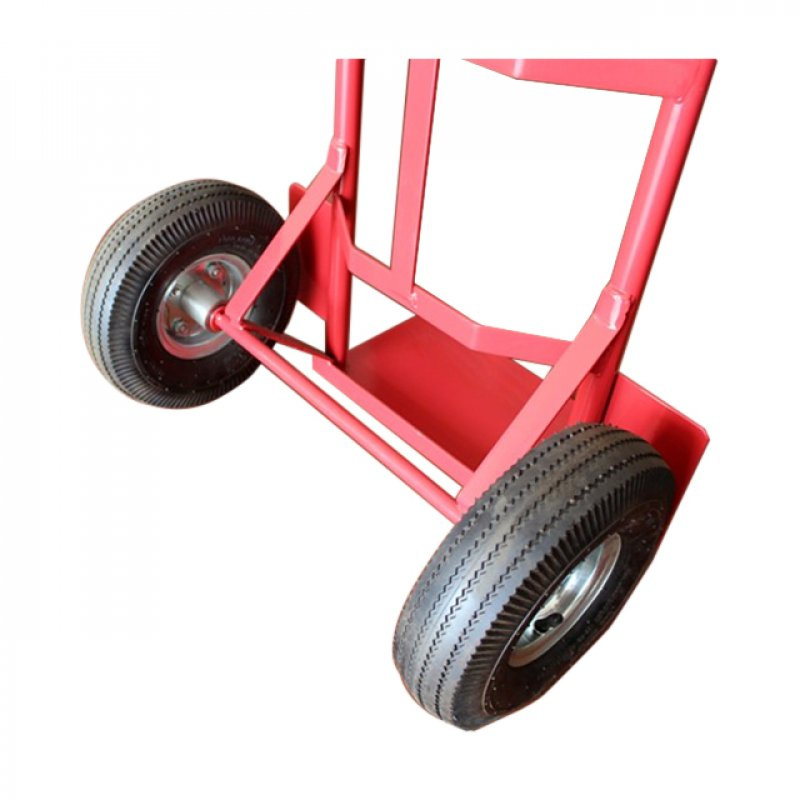
Portable hand trolly models are designed for mobility and convenient storage. Most units use lightweight aluminum or high-strength steel frames and foldable handles that reduce storage space when not in use. Typical portable models support load capacities between 60–150 kg, depending on frame thickness and wheel size. Many versions include 200–260 mm rubber or pneumatic wheels, which improve shock absorption when moving over uneven surfaces. Compact hand trolleys are widely used in courier services, retail restocking, office logistics, and household moving. Their ergonomic handles and balanced frame design help reduce lifting strain and improve transport efficiency in tight indoor environments.
Stair-Climbing Trolleys for Vertical Transport
Stair-climbing trolleys use specialized tri-wheel or six-wheel rotation systems that allow the trolley to roll over stair edges smoothly. Each wheel cluster rotates around a central hub, helping the trolley maintain balance as it climbs steps. Most stair-climbing designs support load capacities of 120–250 kg and use 260–300 mm wheels for improved stability. They are commonly used by delivery personnel, appliance movers, and maintenance teams in buildings without freight elevators. Proper loading technique—keeping the center of gravity close to the frame—ensures stable movement and reduces operator fatigue when transporting heavy items across stairways.
Industry-Specific Trolleys for Specialized Tasks
Hospitality Service Trolleys
Hospitality service trolleys are designed to support efficient food and beverage operations in restaurants, hotels, and catering environments. Most models include two or three stainless-steel shelves, anti-slip surfaces, and quiet thermoplastic rubber wheels to reduce noise in dining areas. Typical load capacity ranges from 80–200 kg, depending on frame thickness and shelf design. Many service trolleys also include guard rails, removable trays, or heated compartments for maintaining food temperature during transport. In busy hospitality settings, well-designed service trolleys help staff move multiple dishes in one trip, maintain service speed, and reduce unnecessary walking between kitchen and dining areas.
Medical and Equipment Trolleys
Medical trolleys are engineered to meet strict hygiene and mobility standards in hospitals and clinics. They commonly use stainless steel or antimicrobial-coated aluminum surfaces that resist corrosion and allow frequent disinfection. Most medical trolleys support 50–150 kg loads and include modular drawers, instrument trays, and lockable compartments for organized storage. Medical-grade casters often range from 100–125 mm and include braking systems to stabilize the trolley during procedures. These trolleys enable healthcare staff to transport diagnostic equipment, surgical instruments, and medical supplies efficiently while maintaining sterile conditions and organized workflows in treatment areas.
Laundry and Linen Trolleys
Laundry and linen trolleys are designed for transporting large quantities of textiles in hospitality and healthcare facilities. They typically feature large fabric bags or polypropylene bins supported by steel or aluminum frames. Standard capacities often range from 150–300 liters, allowing staff to move multiple loads of towels, bedding, or uniforms in a single trip. Many models include 150–200 mm swivel casters to ensure smooth movement across long corridors. Some advanced designs also feature removable bags or tilt frames for faster unloading. By centralizing textile transport, linen trolleys reduce manual handling and improve workflow efficiency in laundry operations.

Electric and Advanced Modern Trolley Designs
Electric Trolleys for High-Efficiency Material Handling
Electric trolleys include motorized drive systems that help move heavy loads with minimal effort. Operators control the movement using simple handles or control panels. This feature allows workers to transport materials over longer distances without physical strain. Large warehouses and logistics hubs often rely on electric trolleys for high-volume operations. While a hand trolly remains useful for smaller loads, electric trolleys increase efficiency when handling heavier goods regularly.
Smart Trolleys with Modern Logistics Features
Modern trolley designs increasingly incorporate smart technology. Some models include tracking systems, digital inventory tools, or integrated scanning devices. These features help businesses monitor goods and improve workflow accuracy. Smart trolleys are especially valuable in automated warehouses and advanced logistics environments. When combined with tools like a hand trolly, they support a complete and efficient material-handling system.
Heavy-Duty Industrial Trolleys for Extreme Loads
In heavy industrial environments, trolley design must support large loads, stable movement, and long service life. Engineers typically evaluate frame strength, wheel configuration, load capacity, and application scenarios when selecting a heavy-duty transport trolley. The structured overview below highlights key specifications, engineering characteristics, and operational considerations for heavy-duty industrial trolleys used in demanding material-handling environments.
| Category | Structural Design | Typical Load Capacity | Common Materials | Wheel Configuration | Typical Applications | Technical Indicators | Operational Considerations |
| Heavy-Duty Platform Trolley | Flat steel platform with push handle or dual handles | 500–2000 kg | Q235 carbon steel frame, steel plate deck | 2 fixed wheels + 2 swivel casters | Machinery parts, heavy boxes, industrial components | Platform thickness 3–6 mm; wheel diameter 150–200 mm | Distribute loads evenly to prevent frame deformation |
| Reinforced Warehouse Transport Trolley | Reinforced cross-beam chassis for logistics transport | 400–1200 kg | Steel or aluminum alloy frame | Polyurethane or rubber casters | Warehouse logistics, distribution centers | Frame yield strength ≥235 MPa; axle diameter 20–25 mm | Avoid point loading on narrow surfaces |
| Heavy-Duty Industrial Hand Trolly | Upright L-frame with toe plate for vertical loads | 200–600 kg | Steel frame with rubber or pneumatic wheels | Two-wheel design | Appliances, stacked cartons, equipment transport | Wheel diameter 250–400 mm; toe plate width 200–350 mm | Keep load center close to frame for stability |
| Machinery Moving Skate (Equipment Transport Trolley) | Low-profile multi-roller platform | 2–20 tons | Alloy steel structure | Multi-roller load distribution | Machine installation, factory relocation | Individual roller capacity 1–3 tons | Use with towing bar and guide system |
| Construction Material Transport Trolley | Reinforced tubular frame for rough terrain | 300–800 kg | Thick-wall steel tubing | Pneumatic or solid rubber wheels | Construction materials, cement bags, bricks | Wheel diameter 300–400 mm | Maintain slow movement on slopes |
| Manual Pallet Transport Trolley (Pallet Jack) | Hydraulic lifting forks for pallet handling | 2000–3000 kg | High-strength steel forks | Polyurethane rollers | Palletized warehouse goods | Fork length ~1150 mm; lift height 85–200 mm | Suitable for standardized pallet loads |
Tip:When selecting a heavy-duty industrial trolley, prioritize rated load capacity, wheel diameter, and frame thickness. Larger wheels improve mobility on uneven floors, while stronger steel frames and quality bearings significantly extend equipment lifespan.
Conclusion
Trolleys play a key role in modern material handling across warehouses, factories, retail stores, and service industries. Different designs are created for specific tasks, from the versatile hand trolly to platform carts, pallet jacks, shelf trolleys, and electric models. Understanding these trolley types helps businesses choose the right equipment to improve efficiency, reduce physical effort, and maintain organized workflows. QINGDAO YONGYI METAL PRODUCTS CO., LTD. provides durable and well-engineered trolley products designed for reliability, smooth mobility, and long service life, helping companies achieve safer and more efficient transport operations.
FAQ
Q: What is a hand trolly?
A: A hand trolly is a two-wheel cart used to move boxes or equipment easily.
Q: What types of trolleys are commonly used?
A: Common types include platform carts, pallet trolleys, shelf carts, and the hand trolly.
Q: Why use a hand trolly?
A: A hand trolly reduces lifting effort and speeds up moving heavy loads.
Q: How do you use a hand trolly safely?
A: Place the load on the base plate, tilt back slowly, then roll forward.
Q: How much does a hand trolly cost?
A: Basic hand trolly models often cost $30–$150 depending on capacity.
Q: Hand trolly vs platform trolley?
A: A hand trolly moves stacked loads, while platform carts carry bulky items.


 English
 العربية
 Français
 Русский
 Español
 Português
 Deutsch
 italiano
 日本語
日本語 한국어
한국어 Nederlands
 Tiếng Việt
 ไทย
ไทย Polski
 Türkçe
 አማርኛ
አማርኛ ພາສາລາວ
 ភាសាខ្មែរ
 Bahasa Melayu
 ဗမာစာ
ဗမာစာ தமிழ்
தமிழ் Filipino
 Bahasa Indonesia
 magyar
 Română
 Čeština
 Монгол
 қазақ
қазақ Српски
 हिन्दी
 فارسی
فارسی Kiswahili
 Slovenčina
 Slovenščina
 Norsk
Norsk Svenska
 українська
 Ελληνικά
 Suomi
Suomi Հայերեն
 עברית
עברית Latine
 Dansk
Dansk اردو
اردو Shqip
Shqip বাংলা
বাংলা Hrvatski
 Afrikaans
 Gaeilge
 Oʻzbekcha
 isiZulu

