Have you ever wondered how a simple tool can make heavy lifting easier? The wheelbarrow is essential in gardening and construction. Understanding its history and functionality can enhance your appreciation for this versatile tool. In this post, you’ll learn about the evolution of wheelbarrows, their components, and common uses.
The History of Wheelbarrows
Origins of the Wheelbarrow
The wheelbarrow has its roots in ancient China, dating back to around 118 AD. This innovative tool was designed to aid in transporting heavy loads efficiently. Zhuge Liang, a prominent figure in Chinese history, played a crucial role in refining the wheelbarrow's design. He adapted it for military use, allowing soldiers to transport food and supplies swiftly during battles.
The design of the wheelbarrow enabled one person to carry loads that would typically require multiple individuals. In addition, it was instrumental in evacuating injured soldiers from the battlefield. The combination of a single wheel and two handles made it easier to maneuver through challenging terrain, which was vital in wartime scenarios.
Evolution of Wheelbarrows Through the Ages
As time progressed, the wheelbarrow transitioned from Asia to Europe around the 12th century. This shift marked a significant change in its use and design. In Europe, wheelbarrows became essential for agriculture, helping farmers transport crops and materials efficiently.
Period | Key Changes | Materials Used |
12th Century | Introduction to Europe | Primarily wood |
18th Century | Industrial Revolution; introduction of metal | Iron and steel |
20th Century | Modern designs; introduction of plastic | Metal, plastic |
The design of wheelbarrows evolved significantly over the centuries. Initially made of wood, they began incorporating metal components for increased durability. By the 18th century, during the Industrial Revolution, wheelbarrows featured iron and steel parts, making them more robust and capable of handling heavier loads.
In the modern era, materials like plastic emerged, offering lighter options that are resistant to rust. This evolution reflects the changing needs of users, from farmers to construction workers. Today, wheelbarrows are designed for various purposes, showcasing the adaptability and enduring importance of this simple yet effective tool.
Anatomy of a Wheelbarrow
Basic Components of a Wheelbarrow
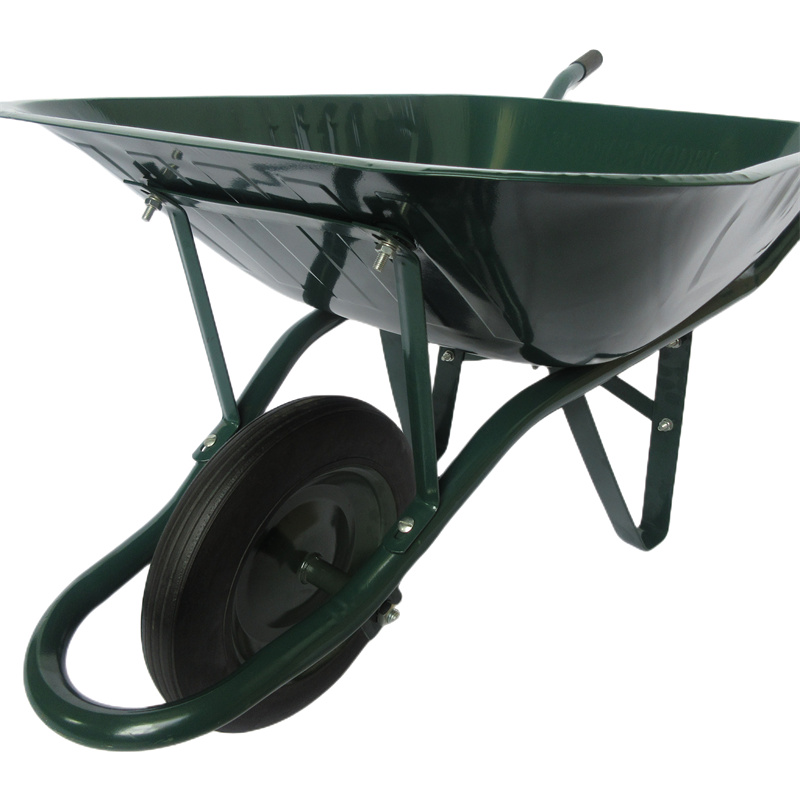
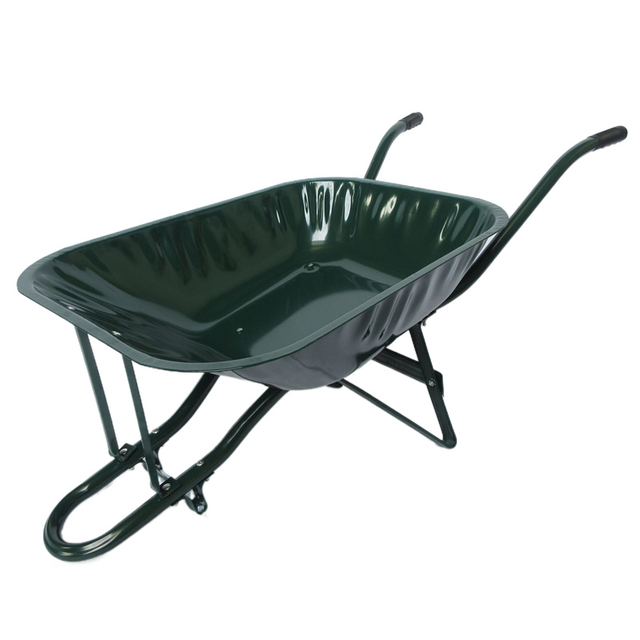
Understanding a wheelbarrow's anatomy is essential for effective use. It consists of several key components: the wheel, handles, basin, and frame. Each part plays a vital role in its overall functionality.
1. Wheel: The wheel is the heart of the wheelbarrow. It allows for smooth movement, reducing the effort needed to transport heavy loads. A well-designed wheel can handle various terrains, making it easier to push or pull the wheelbarrow.
2. Handles: These are the parts that you grip while maneuvering the wheelbarrow. They provide leverage, allowing you to lift and tilt the load. The ergonomics of the handles can significantly affect comfort during extended use.
3. Basin: This is the container where you place your materials. The basin's size and shape determine how much you can carry. A deeper basin can hold more, but it may also make balancing more challenging.
4. Frame: The frame supports the entire structure, connecting the basin to the wheel. It provides stability and strength, ensuring that the wheelbarrow can handle heavy loads without bending or breaking.
Component | Function |
Wheel | Facilitates movement on various terrains |
Handles | Provides leverage for lifting and maneuvering |
Basin | Holds materials for transport |
Frame | Supports and stabilizes the entire structure |
Types of Wheelbarrows
When selecting a wheelbarrow, it's crucial to consider the type that best suits your needs. Different designs cater to various tasks, each with its own advantages and disadvantages.
● Single-Wheel Wheelbarrows: These are the most common type. They are highly maneuverable and ideal for tight spaces. However, they can be less stable when carrying heavy loads.
● Double-Wheel Wheelbarrows: Featuring two wheels, these offer greater stability and balance. They are easier to push, especially when loaded, but may require more space to maneuver.
● Plastic Wheelbarrows: Lightweight and resistant to rust, plastic wheelbarrows are easy to handle. They are great for gardening tasks but may not support as much weight as metal options.
● Metal Wheelbarrows: Known for their durability, metal wheelbarrows can handle heavy loads and tough conditions. However, they can be heavier and may rust if not properly maintained.
Type | Pros | Cons |
Single-Wheel | Maneuverable, lightweight | Less stable with heavy loads |
Double-Wheel | Stable, easier to push | Requires more space to navigate |
Plastic | Lightweight, rust-resistant | Limited weight capacity |
Metal | Durable, handles heavy loads | Heavier, potential for rust |
Choosing the right wheelbarrow depends on your specific tasks. For gardening, a single-wheel model might suffice, while construction projects may benefit from a sturdy metal double-wheel version. Consider your needs carefully to ensure you select the best option.
How Wheelbarrows Work
The Mechanics Behind Wheelbarrows
Wheelbarrows are fascinating tools that function as compound machines. This means they combine multiple simple machines to make our work easier. The three primary simple machines involved in a wheelbarrow's operation are the lever, the wheel and axle, and the inclined plane.
1. Lever: The handles of the wheelbarrow act as a lever. When you lift the handles, you apply force on one end, which allows you to lift the load at the other end with less effort. This mechanical advantage makes it easier to move heavy items.
2. Wheel and Axle: The wheel is crucial for movement. It reduces friction between the wheelbarrow and the ground, allowing it to roll smoothly. The axle connects the wheel to the frame, providing stability and support during transport.
3. Inclined Plane: The basin of the wheelbarrow acts like an inclined plane. When you load materials into the basin, the sloped design helps you slide them in and out easily, reducing the effort needed to lift heavy items.
Simple Machine | Function |
Lever | Amplifies force when lifting |
Wheel and Axle | Reduces friction for easier movement |
Inclined Plane | Aids in loading and unloading materials |
These mechanics work together to reduce effort and increase efficiency. By understanding how these components interact, you can use a wheelbarrow more effectively, making your gardening or construction tasks much easier.
Load Distribution and Balance
Proper load distribution is essential for the effective use of a wheelbarrow. When loading a wheelbarrow, it’s crucial to place the weight evenly to maintain balance. An unbalanced load can make it difficult to maneuver and may even cause tipping.
Here are some tips for loading a wheelbarrow effectively:
● Center the Load: Always aim to place the heaviest items in the center of the basin. This helps keep the wheelbarrow balanced and easier to control.
● Distribute Weight: If you have multiple items, distribute them evenly across the basin. Avoid piling everything on one side, as this can lead to instability.
● Keep It Low: Try to keep the load low in the basin. A lower center of gravity enhances stability, making it less likely to tip over while moving.
Tip | Benefit |
Center the Load | Maintains balance |
Distribute Weight | Enhances control |
Keep It Low | Improves stability |
By following these guidelines, you can ensure that your wheelbarrow remains balanced and easy to handle. This not only makes your work more efficient but also enhances safety during use.
Common Uses for Wheelbarrows
Gardening Applications
Wheelbarrows are indispensable tools in gardening. Gardeners rely on them for transporting soil, plants, and tools efficiently. When you need to move a large bag of soil or a cluster of plants, a wheelbarrow makes the task much easier. Instead of carrying heavy loads by hand, you can simply load them into the basin and push them to your desired location.
Using a wheelbarrow in gardening offers several benefits. First, it significantly reduces back strain, allowing you to work longer without discomfort. Second, it increases efficiency, letting you complete tasks faster. For instance, instead of making multiple trips to transport materials, you can load everything in one go. This not only saves time but also keeps your gardening area organized.
Benefit | Description |
Reduces Back Strain | Less physical effort when moving heavy loads |
Increases Efficiency | Completes tasks faster with fewer trips |
Keeps Area Organized | Minimizes clutter by transporting multiple items |
Construction and Landscaping
In construction, wheelbarrows play a crucial role in moving materials. They are commonly used to transport bricks, concrete, and other heavy items around job sites. The sturdy design allows workers to carry substantial loads, making it easier to manage materials without needing multiple people.
Landscaping projects also benefit from wheelbarrows. Whether you're transporting mulch, gravel, or plants, these tools help streamline the process. A wheelbarrow can carry large quantities of material at once, reducing the time spent moving items. For example, when laying down mulch, a wheelbarrow allows you to spread it evenly across your garden beds quickly.
Application | Materials Moved |
Construction | Bricks, concrete, tools |
Landscaping | Mulch, gravel, plants |
Other Uses of Wheelbarrows
Beyond gardening and construction, wheelbarrows have innovative applications in various fields. For instance, they can be used for waste disposal, allowing you to transport debris or trash efficiently from one area to another. This is especially useful during clean-up projects or yard work.
In addition, wheelbarrows can serve as mobile storage units for transporting heavy items across different locations. For example, they might be used in warehouses or factories to move supplies or equipment, making them versatile tools in any setting.
Industry | Creative Application |
Waste Management | Transporting debris and trash |
Warehousing | Moving supplies and equipment |
These diverse uses highlight the adaptability of wheelbarrows, proving they are more than just a gardening tool. Their design and functionality make them valuable in many industries, enhancing productivity and efficiency.
Choosing the Right Wheelbarrow
Factors to Consider When Buying a Wheelbarrow
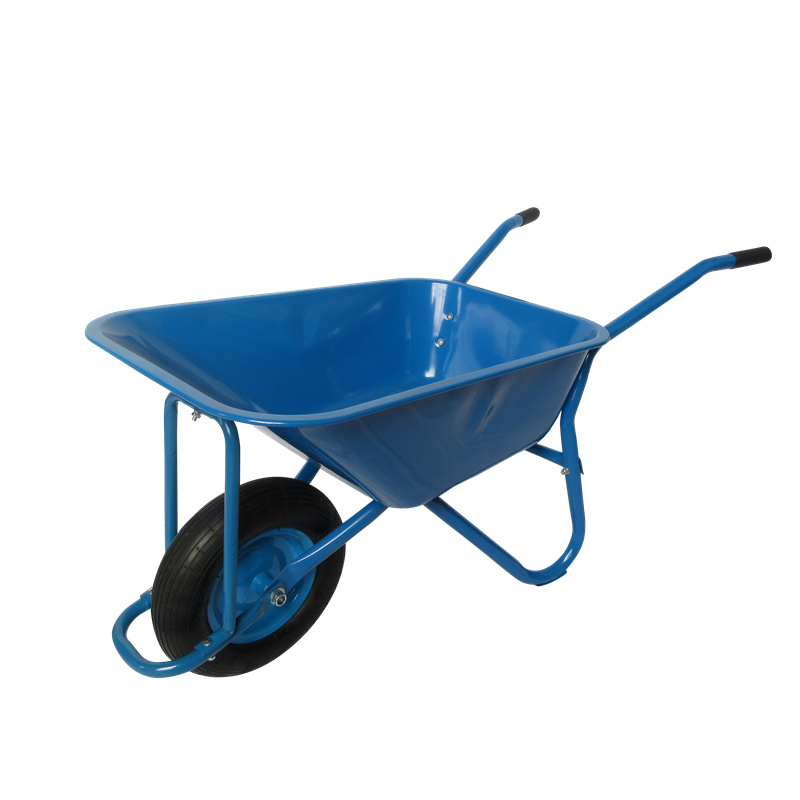
When selecting a wheelbarrow, several factors come into play to ensure you make the best choice for your needs. One of the first considerations is the material. Wheelbarrows typically come in plastic or metal options.
● Plastic Wheelbarrows: These are lightweight and resistant to rust, making them ideal for gardening tasks. They are easy to maneuver and usually have a lower weight capacity, which is perfect for lighter materials like soil or plants.
● Metal Wheelbarrows: Known for their durability, metal wheelbarrows can handle heavier loads, such as bricks or gravel. However, they can be heavier to push and may rust if not properly cared for.
Next, consider the wheel configuration. You can choose between single-wheel and double-wheel designs.
● Single-Wheel Wheelbarrows: These are more maneuverable and can easily navigate tight spaces. However, they require more balance, especially when carrying heavy loads.
● Double-Wheel Wheelbarrows: Offering greater stability, these are easier to push and control, particularly when loaded. They are ideal for transporting heavier items over uneven terrain.
Lastly, pay attention to the weight capacity and size. Make sure the wheelbarrow can handle the loads you plan to transport. A larger basin will allow for more materials, but it may also be heavier.
Factor | Consideration |
Material | Plastic (lightweight) vs. Metal (durable) |
Wheel Configuration | Single (maneuverable) vs. Double (stable) |
Weight Capacity | Ensure it meets your load requirements |
Maintenance Tips for Wheelbarrows
To ensure your wheelbarrow lasts for many years, proper maintenance is essential. Start by regularly inspecting the wheelbarrow for signs of wear and tear. Cleaning it after each use helps prevent dirt buildup and rust formation.
1. Caring for the Basin: If you have a metal wheelbarrow, consider applying a rust-resistant coating. For plastic models, ensure that the basin is free from cracks and damage.
2. Wheel Maintenance: Check the wheels for proper inflation and ensure they spin freely. If you notice any wobbling or resistance, it might be time to lubricate the axle or replace the wheel.
3. Common Issues: Rust is a common problem for metal wheelbarrows. If you find rust spots, sand them down and apply a rust-inhibiting primer. This will extend the life of your wheelbarrow significantly.
Maintenance Task | Purpose |
Clean After Use | Prevents dirt buildup and rust |
Inspect Wheels | Ensures smooth operation |
Apply Rust Coating | Protects metal from corrosion |
By considering these factors and following maintenance tips, you can choose a wheelbarrow that meets your needs and lasts for years to come. Whether you're gardening or working on a construction site, the right wheelbarrow can make all the difference.
Conclusion
Wheelbarrows play a crucial role in various everyday tasks. They simplify transporting heavy loads, making gardening and construction easier. Exploring different types and uses can enhance efficiency and productivity. Share your experiences or questions about wheelbarrows in the comments. For quality wheelbarrows, consider products from Yongyi Metal, which are designed for durability and ease of use, providing great value for your projects.
FAQ
Q: What is a wheelbarrow?
A: A wheelbarrow is a versatile tool used for transporting materials, typically consisting of a basin, wheel, and handles.
Q: How do I use a wheelbarrow effectively?
A: To use a wheelbarrow effectively, load it evenly, keep the weight centered, and push it smoothly to avoid tipping.
Q: Why should I choose a wheelbarrow over a garden cart?
A: A wheelbarrow offers better maneuverability and stability for heavy loads, making it ideal for construction and gardening tasks.
Q: How much does a wheelbarrow typically cost?
A: The cost of a wheelbarrow can vary widely, ranging from $30 for basic models to over $200 for heavy-duty options.
Q: What are the advantages of using a wheelbarrow?
A: Using a wheelbarrow reduces physical strain, increases efficiency, and allows for easier transport of heavy materials.
Q: What common issues can arise with a wheelbarrow?
A: Common issues include rust in metal models, flat tires, and difficulty balancing loads, which can be resolved with proper maintenance.

 English
 العربية
 Français
 Русский
 Español
 Português
 Deutsch
 italiano
 日本語
日本語 한국어
한국어 Nederlands
 Tiếng Việt
 ไทย
ไทย Polski
 Türkçe
 አማርኛ
አማርኛ ພາສາລາວ
 ភាសាខ្មែរ
 Bahasa Melayu
 ဗမာစာ
ဗမာစာ தமிழ்
தமிழ் Filipino
 Bahasa Indonesia
 magyar
 Română
 Čeština
 Монгол
 қазақ
қазақ Српски
 हिन्दी
 فارسی
فارسی Kiswahili
 Slovenčina
 Slovenščina
 Norsk
Norsk Svenska
 українська
 Ελληνικά
 Suomi
Suomi Հայերեն
 עברית
עברית Latine
 Dansk
Dansk اردو
اردو Shqip
Shqip বাংলা
বাংলা Hrvatski
 Afrikaans
 Gaeilge
 Oʻzbekcha
 isiZulu


