
- All
- Product Name
- Product Keyword
- Product Model
- Product Summary
- Product Description
- Multi Field Search
Please Choose Your Language
Views: 0 Author: Site Editor Publish Time: 2026-01-28 Origin: Site


Have you ever wondered how construction sites operate so efficiently? One essential tool that makes this possible is the wheelbarrow. In this article, we will explore the various uses of wheelbarrows in construction. You’ll learn about their significance, advantages, and tips for choosing the right one for your projects.
A wheelbarrow is a small, hand-propelled vehicle designed to carry loads. It typically consists of a tray for holding materials, one or two wheels for mobility, and handles for pushing or lifting. This simple yet effective tool has been a staple on construction sites for many years, enabling workers to transport materials quickly and efficiently.
When it comes to construction, wheelbarrows come in various types, each suited for specific tasks. Understanding these types can help you choose the right one for your project needs.
Manual wheelbarrows are the traditional choice, requiring physical effort to operate. They generally have a single wheel at the front, which allows for easy maneuverability. Here are some key features:
● Lightweight and Portable: Easy to lift and move around the site.
● Cost-Effective: Generally less expensive than motorized options.
● Versatile: Suitable for various tasks, from transporting soil to moving tools.
Motorized wheelbarrows represent a modern advancement in construction tools. These powered versions reduce the physical strain on workers and can handle heavier loads. Key characteristics include:
● Increased Capacity: Often designed to carry larger loads, such as multiple bags of cement.
● Enhanced Efficiency: Reduces time spent transporting materials, allowing workers to focus on other tasks.
● Stability: Many models feature dual wheels for added stability, especially on uneven terrain.
Type | Weight Capacity | Maneuverability | Cost |
Manual Wheelbarrow | Up to 200 kg | High | Low |
Motorized Wheelbarrow | Up to 550 kg | Moderate | Higher |
In summary, understanding the differences between manual and motorized wheelbarrows can help you make informed decisions. Whether you opt for the traditional manual version or the advanced motorized model, both types play a crucial role in enhancing productivity on construction sites. They simplify the transport of materials, making construction projects more efficient and manageable.
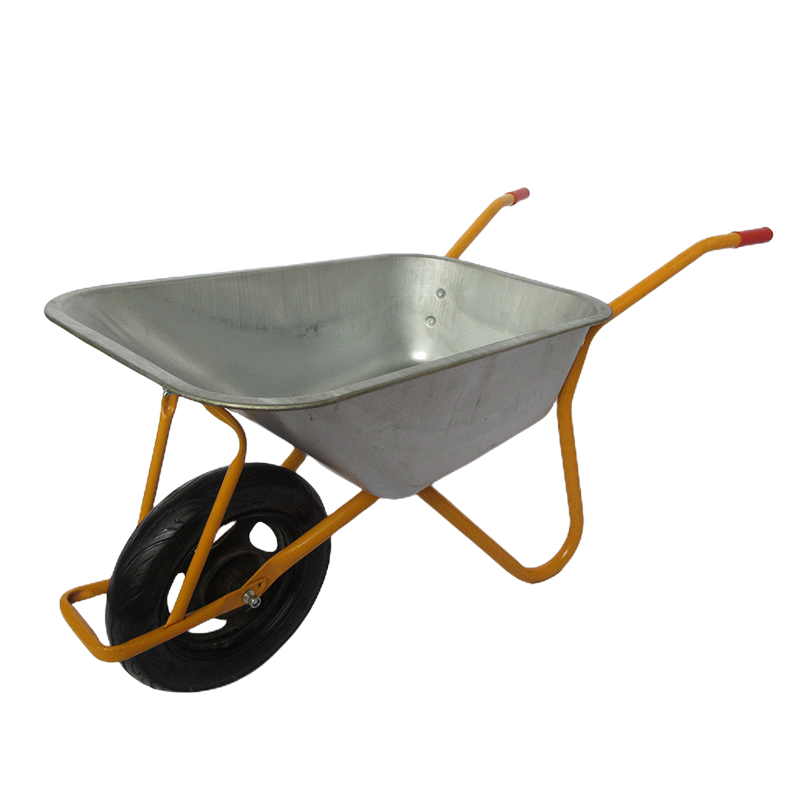
Wheelbarrows are incredibly versatile tools on construction sites. They serve multiple purposes, making them essential for various tasks. Here are some common uses:
● Transporting Building Materials: Wheelbarrows excel at moving heavy materials like bricks, blocks, sand, and gravel. Their design allows workers to easily load and transport these items across the site, saving time and energy.
● Moving Tools and Equipment: Besides materials, wheelbarrows are perfect for transporting tools and equipment. This helps keep the site organized and ensures that everything needed is within reach.
● Carrying Debris and Waste: Construction sites generate a lot of waste. Wheelbarrows make it easy to collect and transport debris for disposal, keeping the area clean and safe.
● Mixing Cement and Other Materials: Many workers use wheelbarrows as makeshift mixing stations. They can combine cement, water, and other materials directly in the tray, which simplifies the mixing process.
In addition to common tasks, wheelbarrows have specialized applications that enhance their usefulness:
● Transporting Lumber and Large Plants: They can carry lumber and even large plants around the site, making them handy for landscaping projects.
● Serving as a Makeshift Mixing Station: Beyond cement, wheelbarrows can mix various materials, such as soil and fertilizers, for gardening or landscaping tasks.
The benefits of using wheelbarrows on construction sites are significant. Here’s why they are a preferred choice:
● Improved Efficiency in Material Handling: Wheelbarrows facilitate quick transportation of materials, allowing workers to complete tasks faster.
● Reduced Physical Strain on Workers: By minimizing the effort required to lift and carry heavy loads, wheelbarrows help prevent fatigue and injuries.
● Enhanced Maneuverability in Tight Spaces: Their compact design enables easy navigation through narrow passages and crowded areas on job sites.
● Cost-Effectiveness Compared to Larger Machinery: Wheelbarrows are generally more affordable than heavy machinery, making them a budget-friendly option for small to medium-sized projects.
● Simplification of Logistics on Construction Sites: By streamlining the movement of materials and tools, wheelbarrows contribute to better organization and workflow.
Use Case | Benefits |
Transporting Materials | Saves time and energy |
Moving Tools | Keeps the site organized |
Carrying Debris | Maintains cleanliness and safety |
Mixing Materials | Simplifies the mixing process |
Overall, the versatility of wheelbarrows makes them indispensable tools in construction. Their ability to handle various tasks efficiently significantly contributes to the success of any project.
Selecting the right wheelbarrow is crucial for maximizing efficiency on construction sites. Here are some key factors to keep in mind:
● Size and Capacity: Wheelbarrows come in various sizes, typically measured in litres. It’s essential to choose one that can handle the weight of the materials you’ll transport. A larger capacity allows for fewer trips, saving time and effort.
● Wheel Configuration: You’ll find wheelbarrows with either a single wheel or dual wheels. Single-wheel models are more maneuverable, particularly in tight spaces, while dual-wheel designs offer better stability, especially when carrying heavy loads.
● Type of Tyres: The type of tyres can greatly affect performance. Solid rubber tyres are puncture-proof and require no maintenance, while pneumatic tyres provide better shock absorption, making them ideal for uneven terrain.
● Material of the Tray: Wheelbarrow trays are usually made from either plastic or steel. Plastic trays are lighter and resistant to rust, but steel trays are more durable and can handle heavier loads without bending.
● Handle Design: Ergonomic handles can reduce strain on the user’s back and arms, making it easier to push and lift the wheelbarrow. Classic designs are sturdy but may not provide the same level of comfort.
When choosing a wheelbarrow, you must assess your personal strength and lifting ability. If you’re working alone or have limited strength, a lighter model might be more suitable.
Load Capacity | Recommended Use |
Up to 100 kg | Ideal for small jobs and DIY tasks |
100 kg - 200 kg | Suitable for general construction tasks |
Over 200 kg | Best for heavy-duty projects |
Here are some recommendations based on typical project needs:
● For landscaping, a smaller, lightweight wheelbarrow is often sufficient.
● If you’re moving heavy materials like concrete, consider a model with a higher weight capacity and dual wheels for stability.
There are many wheelbarrow models available, each designed for specific tasks. Here’s an overview of popular choices:
● Manual Wheelbarrows: These are the traditional models that require physical effort to operate. They are versatile and ideal for various construction tasks.
● Motorized Wheelbarrows: These advanced models reduce the manual effort required. They are particularly useful for heavy loads and large sites.
● Cormidi Wheelbarrows: Known for their robust construction and powerful performance, Cormidi models are excellent for heavy-duty tasks. They often come equipped with features like hydraulic lifts and larger trays.
● C55 Model: This model is highly regarded for its balance between capacity and maneuverability. It can handle significant loads while still being easy to push, making it a favorite among construction professionals.
Model | Type | Key Features |
Cormidi | Motorized | Hydraulic lift, high load capacity |
C55 | Manual | Lightweight, ergonomic design |
Choosing the right wheelbarrow involves considering various factors. By understanding your project needs and the specific features of different models, you can select the best wheelbarrow for your construction tasks.
Using wheelbarrows effectively begins with proper loading techniques. Here are some essential tips to ensure you load materials evenly:
● Load Materials Evenly: When placing materials in the wheelbarrow, distribute them evenly across the tray. This helps maintain balance and prevents tipping. For example, if you’re loading bricks, arrange them in a staggered pattern.
● Weight Distribution and Center of Gravity: It’s crucial to keep the center of gravity low. Heavy items should be placed at the bottom and towards the front of the wheelbarrow. This positioning enhances stability and makes it easier to maneuver.
● Safety Tips for Lifting and Moving Loads: Always lift with your legs, not your back. Bend at the knees and keep your back straight. When moving, push the wheelbarrow rather than pulling it, as this gives you better control.
When working on uneven terrain, loading and maneuvering a wheelbarrow can be challenging. Here are techniques to help:
● Approach with Caution: When loading on a slope, ensure that you’re stable before adding materials. If possible, load the wheelbarrow while it’s on level ground.
● Use a Helper: If the load is heavy or the slope is steep, consider having someone assist you. They can help stabilize the wheelbarrow while you load.
● Maneuvering Techniques: Always face uphill when moving the wheelbarrow. This reduces the risk of tipping and gives you better control over the load.
Wheelbarrows are great for mixing cement, and here’s how to do it effectively:
1. Step-by-Step Guide:
a. Gather Materials: You’ll need cement, sand, gravel, and water.
b. Add Dry Ingredients: Start by placing the dry cement and sand into the wheelbarrow. Use a ratio of 1 part cement to 2 parts sand for a standard mix.
c. Incorporate Gravel: Add gravel to the mix, maintaining a ratio of about 1 part cement to 3 parts gravel.
d. Mix Thoroughly: Use a shovel to mix the dry ingredients until evenly combined.
e. Add Water: Gradually add water while mixing. Aim for a consistency that is wet but not soupy.
2. Recommended Proportions:
a. Standard Concrete Mix: 1 part cement, 2 parts sand, 3 parts gravel, and enough water to reach desired consistency.
b. For Stronger Mix: Increase the cement to 1.5 parts while keeping the same amount of sand and gravel.
3. Benefits of Using a Wheelbarrow for Mixing:
a. Convenience: It allows for easy transport of mixed materials to the work site.
b. Efficiency: Mixing in a wheelbarrow saves time compared to mixing on the ground.
c. Versatility: You can mix various materials, not just cement, making it useful for different projects.
Following specific ratios is vital for optimal results. Here’s why:
● Consistency: Adhering to the recommended proportions ensures consistent quality in your concrete mix. This affects the strength and durability of the final product.
● Avoiding Common Mistakes: Deviating from the ratios can lead to weak or overly dry mixtures. Always measure your materials for accuracy.
Mix Type | Cement | Sand | Gravel | Water (approx.) |
Standard Concrete | 1 part | 2 parts | 3 parts | Enough for desired consistency |
High-Strength Mix | 1.5 parts | 2 parts | 3 parts | Adjust as needed |
By mastering these best practices, you can maximize the efficiency and safety of using wheelbarrows in construction tasks. Proper loading, mixing, and maneuvering techniques enhance productivity and ensure quality in your projects.
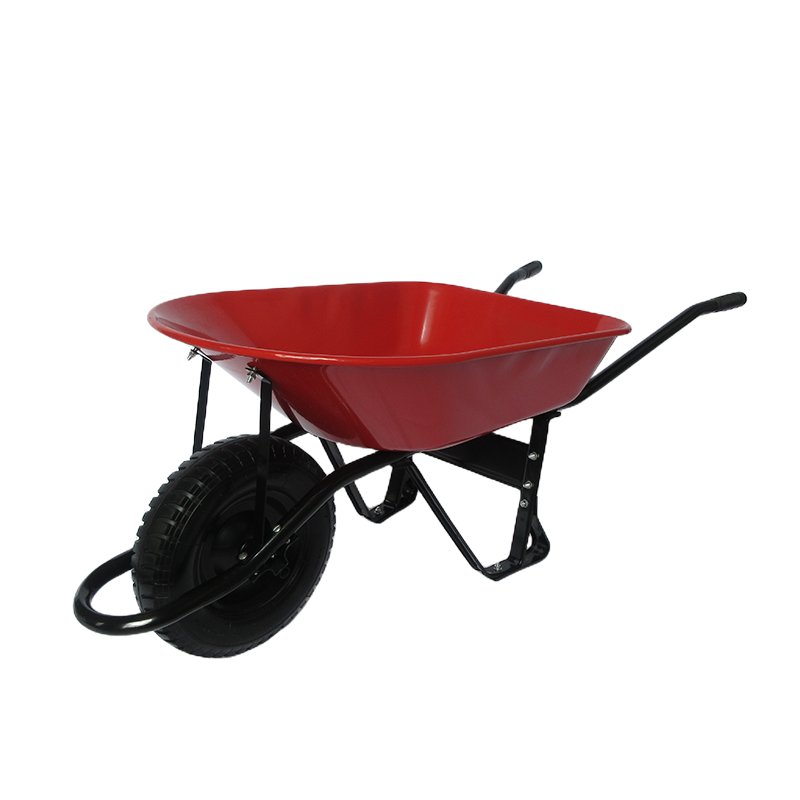
Proper maintenance is essential for extending the life of your wheelbarrow and ensuring it operates efficiently. Here are some key tips to keep in mind:
● Cleaning and Inspecting After Use: After each use, take a few minutes to clean your wheelbarrow. Remove any debris, dirt, or concrete residue from the tray. A clean wheelbarrow not only looks better but also prevents materials from sticking and causing damage over time.
● Checking and Maintaining Wheels and Tyres: Regularly inspect the wheels and tyres for wear and tear. Ensure that the tyres are properly inflated if they are pneumatic. For solid rubber tyres, check for cracks or signs of deterioration. Maintaining the wheels ensures smooth movement and reduces the risk of accidents.
● Ensuring Handles and Trays Are in Good Condition: Inspect the handles for any signs of damage or looseness. Tighten screws or bolts if necessary. Check the tray for cracks, dents, or rust, as these can affect performance. Keeping these components in good condition enhances safety and usability.
Metal trays are susceptible to rust, which can significantly reduce the lifespan of your wheelbarrow. Here are some effective tips to protect against rust:
● Use a Protective Coating: Consider applying a rust-resistant paint or sealant to the metal tray. This creates a barrier against moisture and helps prevent corrosion.
● Store in a Dry Place: Always store your wheelbarrow in a dry, sheltered area to minimize exposure to moisture. If possible, cover it with a tarp or plastic sheeting to protect it from rain and humidity.
● Regularly Inspect for Rust: Make it a habit to check for any signs of rust on the tray. If you notice any, address it immediately to prevent further damage.
Even with regular maintenance, issues can arise. Here’s how to troubleshoot some common problems:
● Addressing Stability Problems: If your wheelbarrow tips over frequently, check the load distribution. Ensure that heavy items are placed towards the front and center of the tray. Additionally, consider using a dual-wheel model for better stability on uneven terrain.
● Dealing with Flat or Damaged Tyres: If you encounter a flat tyre, first check for punctures or leaks. For pneumatic tyres, reinflate them to the recommended pressure. If the tyre is damaged beyond repair, replace it with a new one to ensure safe operation.
● Repairing Rust on Metal Trays: If rust develops, sand down the affected area to remove rust flakes. Apply a rust-inhibiting primer and repaint the area to protect it from future rust. Regular maintenance and prompt repairs can significantly extend the life of your wheelbarrow.
Maintenance Task | Frequency | Tips |
Cleaning and Inspection | After each use | Remove debris and inspect for damage |
Wheel and Tyre Check | Monthly | Ensure proper inflation and condition |
Handle and Tray Inspection | Monthly | Tighten loose parts and check for cracks |
By following these maintenance and care guidelines, you can ensure your wheelbarrow remains in top condition, ready to tackle any construction task. Proper upkeep not only enhances performance but also ensures safety on the job site.
Wheelbarrows play a vital role in construction by facilitating the transport of materials. Choosing the right wheelbarrow for specific tasks is crucial for efficiency. Proper use and maintenance not only enhance productivity but also ensure safety on job sites. For those looking for quality wheelbarrows, Yongyi Metal offers products designed to meet diverse construction needs. Their unique features provide exceptional value, making them a reliable choice for professionals in the industry.
A: A wheelbarrow is primarily used for transporting materials like concrete, bricks, and tools on construction sites.
A: Consider factors like size, weight capacity, and wheel configuration to select the best wheelbarrow for your specific needs.
A: Regular maintenance ensures your wheelbarrow remains functional, safe, and extends its lifespan, making it more efficient for construction tasks.
A: Wheelbarrows are cost-effective, easy to maneuver, and can handle various materials, making them ideal for diverse construction projects.
A: Ensure proper load distribution and consider using a dual-wheel wheelbarrow for better stability on uneven terrain.


