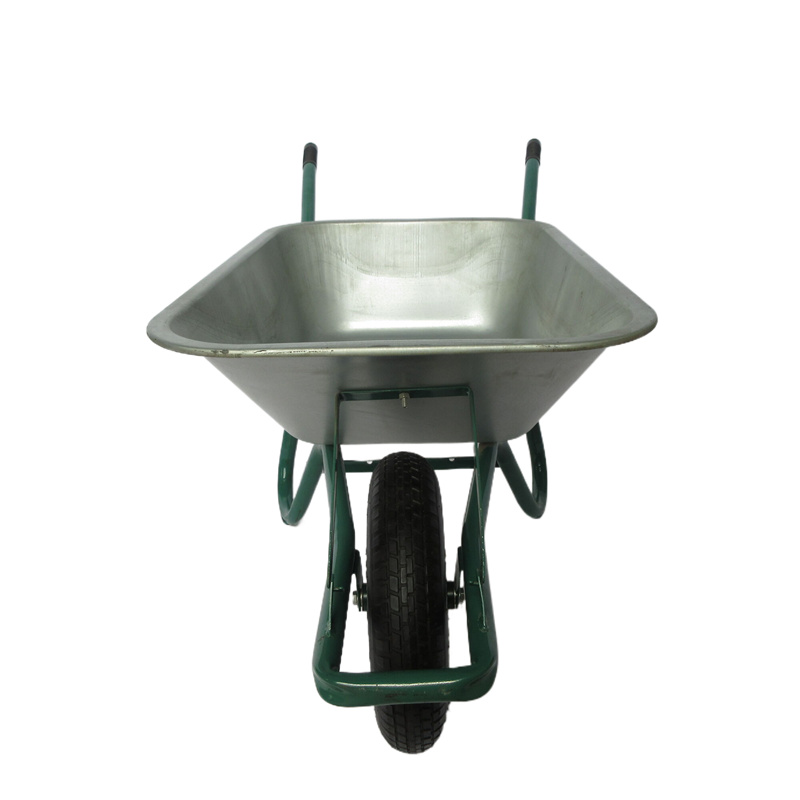
Have you ever wondered how a simple tool can transform gardening and construction tasks? Wheelbarrows are essential for moving heavy loads efficiently. In this article, we will explore what wheelbarrows are, their historical origins, and their importance today. You’ll learn about their versatility and how they can make your outdoor projects easier.
Common Uses of Wheelbarrows
Gardening Applications
Moving Soil and Mulch
Wheelbarrows are perfect for transporting soil and mulch. They make it easy to move large quantities without straining your back. When choosing a wheelbarrow for gardening, consider the size and weight capacity. A lightweight model is ideal for smaller tasks, while a sturdier one is better for heavy loads. Look for features like ergonomic handles for added comfort.
Collecting Yard Debris
Using wheelbarrows to gather leaves, branches, and other debris is efficient. In the fall and spring, clearing garden waste is crucial for maintaining a healthy garden. A wheelbarrow allows you to collect and transport debris quickly, saving time and effort. Plus, it helps keep your garden tidy and promotes healthy plant growth.
Transporting Plants
When it comes to moving potted plants and seedlings, wheelbarrows shine. They provide a safe way to transport delicate plants without damaging them. For larger plants, wheelbarrows allow for easy division and relocation. Horticulturists recommend using them to simplify plant care, especially when rearranging your garden layout.
Construction Uses
Transporting Building Materials
In construction, wheelbarrows are essential for moving materials like bricks, stones, and lumber. They help workers transport heavy loads efficiently, reducing physical strain. This efficiency can speed up projects significantly. A well-designed wheelbarrow can make a big difference in how quickly tasks get done on site.
Mixing and Moving Concrete
Wheelbarrows are also used for mixing small batches of concrete. This is especially handy for home improvement projects. To mix concrete, fill the wheelbarrow with dry mix, add water, and use a shovel to blend. Remember to lift carefully to prevent injury. Proper lifting techniques are vital to avoid strain on your back and arms.
Landscaping Tasks
Moving Gravel and Decorative Stones
For landscaping, wheelbarrows are excellent for transporting gravel and decorative stones. Techniques like loading the wheelbarrow evenly can help maintain balance. They also assist in enhancing your landscape's aesthetics by allowing you to clean and rearrange stones easily. Using a wheelbarrow saves time and effort, making your landscaping projects more enjoyable.
Applying Fertilizers and Soil Amendments
Wheelbarrows simplify the process of distributing fertilizers and soil amendments evenly across your garden. They help you transport these materials from storage to your garden beds efficiently. Additionally, wheelbarrows play a significant role in mulching, ensuring that organic matter is spread effectively. This practice not only nourishes plants but also improves soil health.
Task | Wheelbarrow Benefits |
Moving Soil and Mulch | Reduces physical strain, increases efficiency |
Collecting Yard Debris | Saves time, keeps garden tidy |
Transporting Plants | Safe, easy relocation of delicate plants |
Mixing Concrete | Efficient for small batches, reduces effort |
Moving Gravel and Stones | Enhances aesthetics, saves time |
Applying Fertilizers | Ensures even distribution, improves soil health |
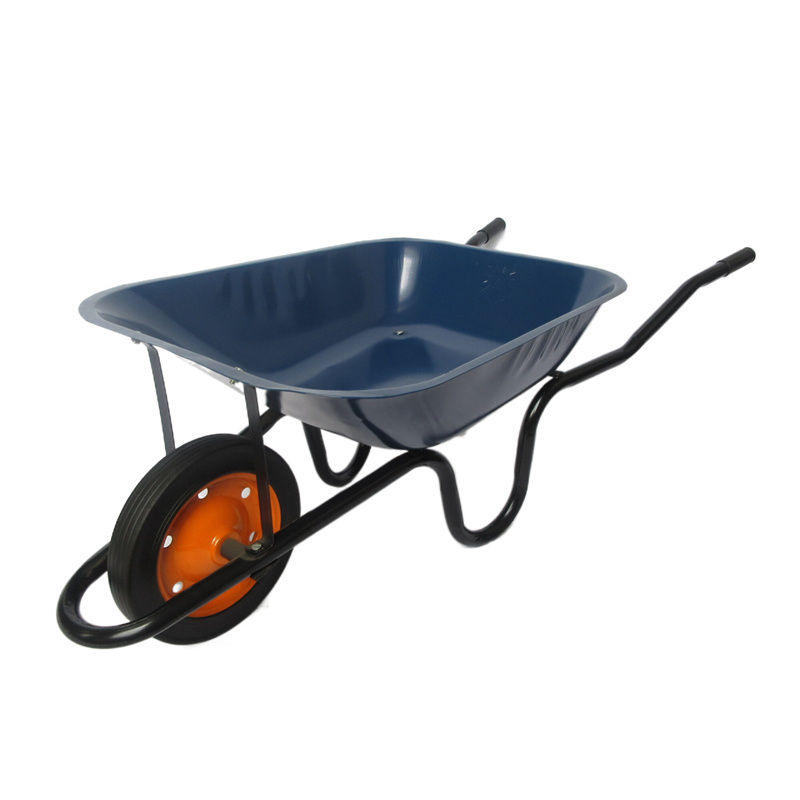
Innovative Uses for Wheelbarrows
Collecting Rainwater
Did you know wheelbarrows can serve as an alternative rainwater collection system? By placing a wheelbarrow under a downspout, you can efficiently collect rainwater for your garden. This method is simple and cost-effective, making it accessible for anyone looking to conserve water.
The benefits of rainwater harvesting are numerous. First, it reduces your water bill, which is always a plus. Second, collected rainwater is often free of chemicals found in municipal water supplies, making it ideal for irrigation. Using rainwater can lead to healthier plants, as they thrive on natural water sources.
Here’s a quick overview of the benefits of using a wheelbarrow for rainwater collection:
Benefit | Description |
Cost Savings | Reduces water bills |
Chemical-Free Water | Better for plant health |
Simple Setup | Easy to implement with basic tools |
Eco-Friendly | Promotes sustainable gardening practices |
Upcycling Wheelbarrows
Old wheelbarrows can be transformed into stunning decorative planters. This upcycling project not only adds charm to your garden but also gives new life to an item that might otherwise be discarded. Just fill the wheelbarrow with soil, add your favorite flowers or herbs, and let your creativity shine.
Here are some creative ideas for repurposing wheelbarrows in your garden:
1. Mobile Gardens: Attach wheels to a sturdy wooden frame and use an old wheelbarrow to create a mobile garden. This allows you to move plants around easily, adjusting their sunlight exposure as needed.
2. Herb Planters: Convert a wheelbarrow into a dedicated herb garden. It’s a practical way to keep your herbs accessible for cooking. Position it near your kitchen for convenience.
3. Garden Art: Paint your wheelbarrow in bright colors or patterns to make it a focal point in your garden. You can even add decorative stones or fairy lights for a whimsical touch.
Transforming wheelbarrows not only enhances your garden's aesthetics but also promotes sustainability. It’s a fun way to express your creativity while being environmentally conscious.
Upcycling Idea | Description |
Mobile Gardens | Easily movable plant display |
Herb Planters | Convenient access to fresh herbs |
Garden Art | Colorful focal points in your garden |
Choosing the Right Wheelbarrow
Types of Wheelbarrows
Single-Wheel vs. Double-Wheel
When choosing a wheelbarrow, you’ll encounter two main designs: single-wheel and double-wheel. Each type has its strengths and weaknesses.
Single-wheel wheelbarrows are highly maneuverable. They can turn easily in tight spaces, making them ideal for gardening tasks. However, they require a bit more balance when loaded, especially with heavier materials. On the other hand, double-wheel wheelbarrows offer greater stability. They distribute weight evenly, which makes them easier to control when carrying heavy loads. They’re great for construction projects where you need to transport bricks or stones.
Type | Pros | Cons | Best Uses |
Single-Wheel | Highly maneuverable | Less stable under heavy loads | Gardening, tight spaces |
Double-Wheel | Greater stability | Less maneuverable in tight areas | Construction, heavy materials |
Material Considerations
Next, let’s look at the materials used in wheelbarrows. The two most common options are metal and plastic. Metal wheelbarrows are durable and can handle heavy loads. They’re suitable for construction tasks but may require more maintenance to prevent rust. Plastic wheelbarrows, on the other hand, are lightweight and resistant to rust. They’re easier to maneuver but may not hold up as well under heavy weights.
Choosing the right material depends on your specific needs. For heavy-duty tasks, metal is often the better choice. However, for lighter gardening work, plastic can be more convenient.
Material | Durability | Maintenance | Best Uses |
Metal | Very durable, handles heavy loads | Requires regular maintenance | Construction, heavy lifting |
Plastic | Lightweight, rust-resistant | Minimal maintenance needed | Gardening, light tasks |
Features to Look For
When selecting a wheelbarrow, several features can enhance your experience. First, consider the weight capacity. Make sure it can handle the loads you plan to transport. Additionally, wheel size matters; larger wheels can navigate rough terrain more easily.
Another important feature is the handle design. Look for ergonomic handles that fit comfortably in your hands. This design reduces strain during use, especially on longer tasks. Ergonomics play a crucial role in how comfortable you feel while using a wheelbarrow.
Here are key features to keep in mind:
● Weight Capacity: Ensure it meets your needs.
● Wheel Size: Larger wheels are better for uneven surfaces.
● Handle Design: Ergonomic handles improve comfort.
By considering these aspects, you can choose a wheelbarrow that best suits your gardening or construction needs.
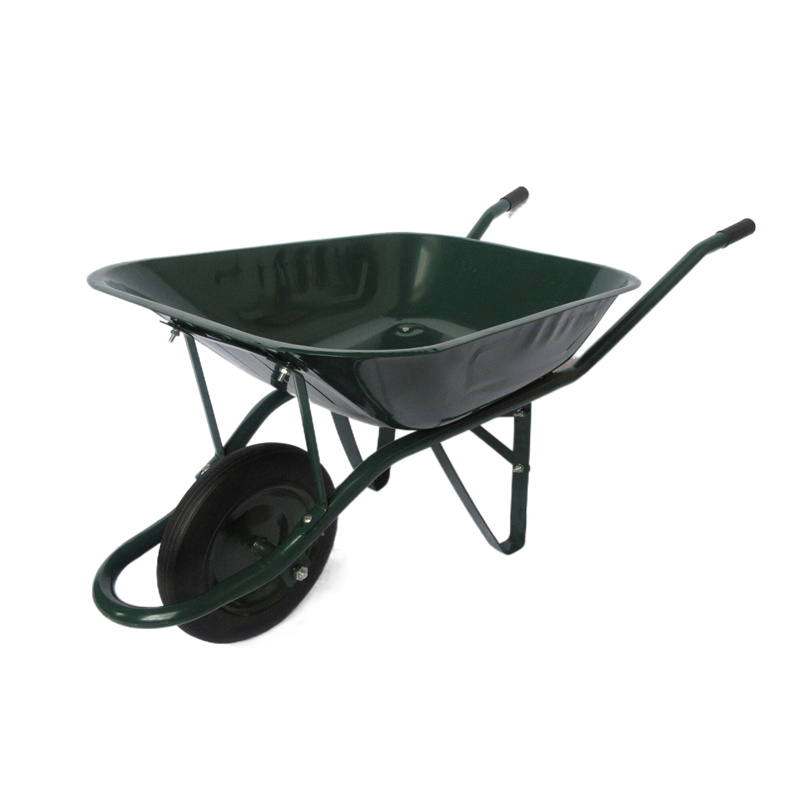
Maintenance and Care for Wheelbarrows
Cleaning Your Wheelbarrow
Keeping your wheelbarrow clean is essential for its longevity and performance. Regular cleaning prevents dirt and debris from building up, which can lead to rust and deterioration. Start by rinsing it with water to remove loose dirt. For stubborn stains, use a mild soap solution and a scrub brush.
After cleaning, dry your wheelbarrow thoroughly to avoid moisture buildup, especially if it’s metal. Here are some best practices to follow:
● Frequency: Clean your wheelbarrow after each use, especially if it carries soil or concrete.
● Drying: Always dry it completely to prevent rust.
● Storage: Store it in a dry, sheltered area to protect it from the elements.
If you notice rust forming on your metal wheelbarrow, act quickly. Use a wire brush or sandpaper to remove the rust, then apply a rust-inhibiting primer and paint to protect the metal. This maintenance step can significantly extend the life of your wheelbarrow.
Repairing Common Issues
Despite regular care, wheelbarrows can face issues like flat tires or rust. For flat tires, check the air pressure regularly. If you find a flat, remove the tire and inspect it for punctures. You can repair small holes with a tire patch kit. If the tire is damaged beyond repair, replacing it is usually straightforward.
Rust issues require immediate attention. After removing rust, consider repainting the affected areas to prevent future corrosion. Here’s a quick guide for common repairs:
Issue | Solution | When to Replace |
Flat Tires | Repair punctures or replace the tire | If the tire is irreparable |
Rust | Sand down rust, apply primer and paint | If the frame is severely corroded |
When deciding whether to repair or replace your wheelbarrow, consider its overall condition. If the frame is intact and only minor repairs are needed, it’s worth fixing. However, if you’re facing multiple issues or significant rust, it may be time to invest in a new wheelbarrow.
Regular maintenance and timely repairs will keep your wheelbarrow functional and ready for any task, whether it’s in the garden or on a construction site.
Conclusion
Wheelbarrows serve various purposes, from gardening to construction. Their versatility makes them essential tools for many tasks. They simplify transporting materials, collecting debris, and even harvesting rainwater. Investing in a quality wheelbarrow can enhance your efficiency in outdoor projects. The Aerocart 8-in-1 Wheelbarrow stands out as a versatile option, meeting diverse needs. At Yongyi Metal, our products offer unique advantages, ensuring durability and functionality for your gardening and landscaping tasks.
FAQ
Q: What are wheelbarrows used for?
A: Wheelbarrows are versatile tools used for transporting materials like soil, gravel, and debris in gardening and construction.
Q: How do I choose the right wheelbarrow?
A: Consider factors like wheel type, material, and weight capacity. Different wheelbarrows suit various tasks, from heavy construction to light gardening.
Q: Why are wheelbarrows important for landscaping?
A: Wheelbarrows simplify the process of moving plants, soil, and mulch, making landscaping projects more efficient and manageable.
Q: How much do wheelbarrows typically cost?
A: The price of wheelbarrows varies based on size and material, generally ranging from $50 to $300.
Q: What are the benefits of using wheelbarrows?
A: Using wheelbarrows reduces physical strain, increases efficiency, and allows for easier transport of heavy loads in various tasks.

 English
 العربية
 Français
 Русский
 Español
 Português
 Deutsch
 italiano
 日本語
日本語 한국어
한국어 Nederlands
 Tiếng Việt
 ไทย
ไทย Polski
 Türkçe
 አማርኛ
አማርኛ ພາສາລາວ
 ភាសាខ្មែរ
 Bahasa Melayu
 ဗမာစာ
ဗမာစာ தமிழ்
தமிழ் Filipino
 Bahasa Indonesia
 magyar
 Română
 Čeština
 Монгол
 қазақ
қазақ Српски
 हिन्दी
 فارسی
فارسی Kiswahili
 Slovenčina
 Slovenščina
 Norsk
Norsk Svenska
 українська
 Ελληνικά
 Suomi
Suomi Հայերեն
 עברית
עברית Latine
 Dansk
Dansk اردو
اردو Shqip
Shqip বাংলা
বাংলা Hrvatski
 Afrikaans
 Gaeilge
 Oʻzbekcha
 isiZulu


