Are you confused about whether to choose a garden cart or a wheelbarrow? Selecting the right tool can make a big difference in your gardening experience. In this article, we'll explore the key differences, advantages, and expert opinions on garden carts and wheelbarrows. You'll learn how to choose the best option for your gardening needs.
Understanding Garden Carts and Wheelbarrows
What is a Wheelbarrow?
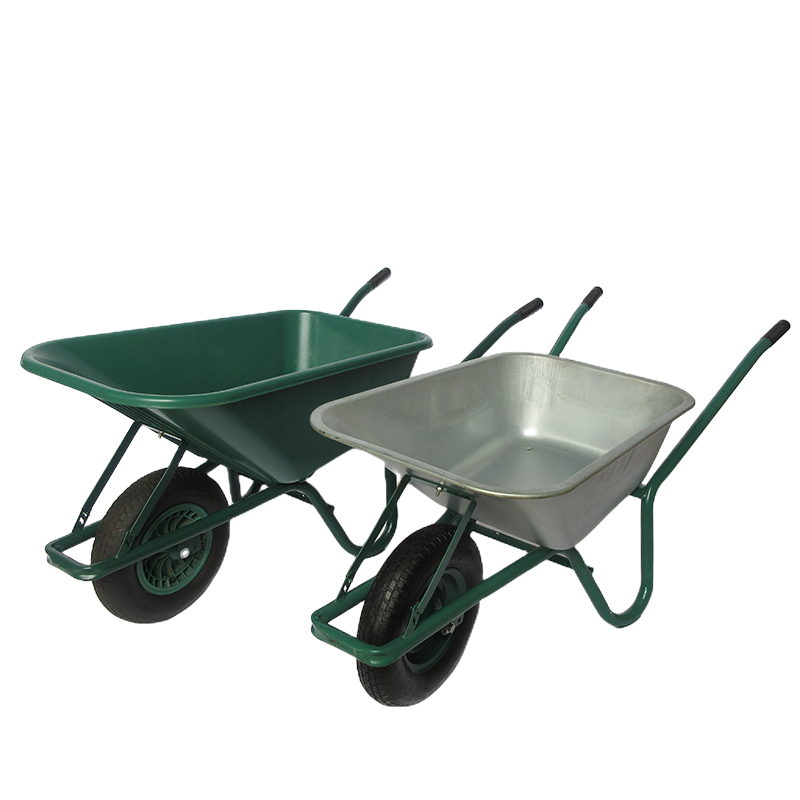
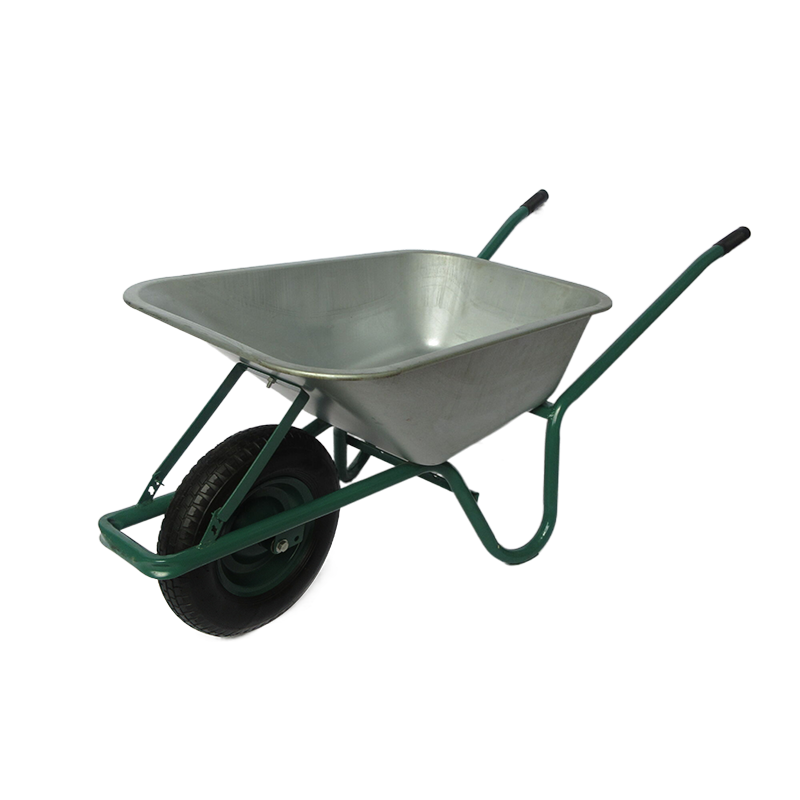
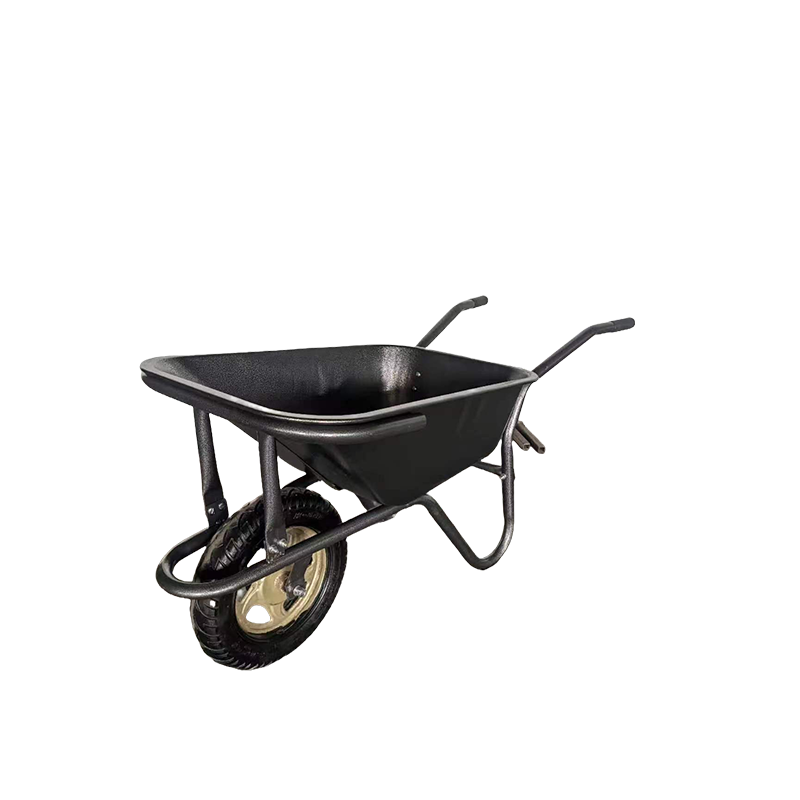
A wheelbarrow is a simple yet essential gardening tool designed to transport materials. It typically consists of a tray for carrying loads, one or two wheels for mobility, and handles for steering. The single-wheel design allows for easy maneuverability, while dual-wheel models offer enhanced stability.
Common Uses of Wheelbarrows
Wheelbarrows are incredibly versatile in gardening and landscaping. Here are some common uses:
● Transporting Soil and Mulch: Perfect for moving large amounts of soil, compost, or mulch from one location to another.
● Hauling Tools and Equipment: Great for carrying gardening tools, fertilizers, and other supplies around your yard.
● Moving Plants: Useful for transporting potted plants or seedlings during garden setup or reorganization.
Variations in Wheelbarrow Designs
When it comes to wheelbarrows, there are a few design variations to consider:
Design Type | Description |
Single Wheel | More maneuverable, ideal for tight spaces. |
Dual Wheel | Offers better stability, especially on uneven terrain. |
Expert Insight: The True Temper red wheelbarrow is a popular choice among gardeners. Its sturdy steel tray can handle heavy loads, while the pneumatic tire provides a smooth ride over various surfaces. This wheelbarrow’s design makes it an excellent option for both novice and experienced gardeners.
What is a Garden Cart?
A garden cart is another useful tool designed for transporting materials, but it features a different structure. Typically, garden carts have a flatbed with two or four wheels, making them easier to pull than to push. This design allows for a larger load capacity.
Common Uses of Garden Carts
Garden carts shine in various gardening tasks. Here are some of their common uses:
● Hauling Bulky Items: Perfect for carrying large bags of soil, mulch, or firewood.
● Transporting Plants: Ideal for moving multiple plants or trays of seedlings at once.
● General Yard Work: Useful for collecting yard debris, such as leaves and branches.
Differences in Design
Garden carts come in various styles, each suited for different tasks. Here’s a quick comparison:
Feature | Garden Cart |
Wheels | Typically two or four, enhancing stability. |
Material | Commonly made from metal or plastic, offering durability. |
Expert Insight: The Smart Cart is a standout in the garden cart category. Its lightweight aluminum frame and removable tub make it versatile for various tasks, from mixing soil to hauling heavy loads. Many gardeners appreciate its ease of use and durability, making it a favorite choice for both casual and serious gardeners.
Key Differences Between Garden Carts and Wheelbarrows
Maneuverability
When it comes to maneuverability, wheelbarrows often take the lead. Their single-wheel design allows for easy navigation in tight spaces, making them ideal for gardens with narrow pathways or raised beds. For example, when working between closely spaced plants, a wheelbarrow can be turned and tilted with minimal effort. In contrast, garden carts, while stable, can be bulkier and more challenging to maneuver in confined areas.
Expert Insight: Andrew Beckman, a gardening expert, emphasizes his preference for wheelbarrows in narrow paths. He finds that their design lets him navigate tight corners easily, which is crucial in his steep garden.
Load Capacity
Load capacity is another significant difference between these two tools. Generally, garden carts can carry heavier and bulkier loads compared to wheelbarrows. For instance, a typical garden cart can hold 10-12 cubic feet of materials, making it perfect for transporting large bags of soil or multiple plants at once. On the other hand, wheelbarrows usually have a capacity of about 6 cubic feet, which is sufficient for smaller jobs but may require more trips for larger loads.
Tool Type | Load Capacity (Cubic Feet) | Ideal Uses |
Wheelbarrow | 4-6 | Soil, mulch, small plants |
Garden Cart | 10-12 | Bulk materials, multiple plants |
Expert Insight: Joe Lamp’l shares his experience using the Vermont Cart, noting its higher capacity allows him to haul more materials in fewer trips, enhancing efficiency during gardening tasks.
Stability and Balance
Stability is crucial when transporting heavy loads. Wheelbarrows, due to their design, can be less stable when heavily loaded, especially on uneven ground. To maintain balance while using a wheelbarrow, it's essential to keep the load centered and avoid overloading. This helps prevent tipping and makes maneuvering easier.
Expert Insight: Ken Druse points out the importance of having both tools. He believes that while wheelbarrows are great for certain tasks, garden carts provide the stability needed for transporting heavier materials across uneven terrain.
Weight Distribution
Weight distribution plays a vital role in how each tool performs. Wheelbarrows require the user to lift and balance the load, which can lead to fatigue over extended periods. In contrast, garden carts distribute weight more evenly across their wheels, reducing strain on the user. This feature allows for easier pulling, especially when transporting heavy items like soil or stone.
Impact on User Fatigue: When using a wheelbarrow, improper weight distribution can lead to discomfort and fatigue during long gardening sessions. Garden carts, on the other hand, minimize this issue by allowing users to pull rather than push.
Expert Insight: Discussions among gardeners reveal that weight affects maneuverability significantly. A well-balanced load in a wheelbarrow can make all the difference, while garden carts often handle uneven loads more effortlessly.
Advantages of Using Wheelbarrows
Versatility in Gardening Tasks
Wheelbarrows are incredibly versatile tools that excel in various gardening tasks. They are perfect for mixing soil, transporting mulch, and moving heavy materials like bricks or stones. For instance, when preparing a new garden bed, you can easily mix compost and soil in the wheelbarrow before transferring it to the planting area. This flexibility makes wheelbarrows essential for both small and large gardening projects.
Another advantage is their ability to navigate narrow paths. The single-wheel design allows for sharp turns and easy maneuvering in tight spaces, making them ideal for gardens with lots of shrubs or flower beds.
Expert Insight: Tovah Martin, a renowned gardening expert, prefers using wheelbarrows for maneuvering around shrubs. She finds that their compact design enables her to work efficiently without damaging her plants.
Cost-Effectiveness
When considering the cost, wheelbarrows often provide better value than garden carts. The price range for a good-quality wheelbarrow typically falls between $50 and $150, depending on the materials and features. In contrast, garden carts can vary widely in price, often starting higher due to their larger capacity and additional features.
Tool Type | Average Price Range | Long-Term Investment Benefits |
Wheelbarrow | $50 - $150 | Durable, low maintenance, versatile |
Garden Cart | $100 - $300 | Higher capacity, but may require more maintenance |
Investing in a wheelbarrow can be a long-term decision. With proper care, they can last for years, making them a reliable choice for gardeners. Their simplicity means fewer parts to break or replace, ultimately saving money over time.
Ideal for Small Spaces
For gardeners working in smaller areas, wheelbarrows are often the better choice. Their compact design allows for easy movement in tight spots, such as small backyards or narrow garden paths. When space is limited, you need a tool that can easily fit between plants and obstacles. Wheelbarrows can be tilted and turned with minimal effort, making them perfect for navigating through crowded gardens.
In addition, their smaller size means they take up less storage space when not in use. This is particularly beneficial for urban gardeners or those with limited garage or shed space. With a wheelbarrow, you can maximize your gardening efficiency, even in the smallest of areas.
Advantages of Using Garden Carts
Ease of Use
Garden carts are designed for ease of use, requiring significantly less physical effort to pull compared to wheelbarrows. This makes them an excellent choice for transporting lighter, bulkier loads. For instance, when moving bags of mulch or large pots, a garden cart’s design allows for straightforward loading and unloading without the need to lift heavy items high.
Expert Insight: Bob Hyland, a gardening enthusiast, emphasizes his preference for garden carts on flat sites. He finds it much easier to pull a cart filled with supplies rather than lifting and balancing a wheelbarrow.
Stability on Uneven Terrain
One of the standout features of garden carts is their stability, especially on uneven terrain. The larger wheels and flatbed design enhance balance, making it easier to navigate through rough patches of soil or gravel. This stability is particularly beneficial when moving heavier items, like firewood or large bags of soil, across varied landscapes.
Feature | Wheelbarrow | Garden Cart |
Wheel Size | Smaller, single or dual | Larger wheels for stability |
Load Design | Tilted tray | Flatbed for even weight |
Best Use Cases | Narrow paths, tight spaces | Uneven terrain, bulky loads |
In scenarios like moving mulch or firewood, garden carts excel. Their design allows for a more secure load, reducing the risk of spills or tipping, which can be common with wheelbarrows on bumpy ground.
Accessibility and Convenience
Garden carts come equipped with features that enhance accessibility and convenience. Many models include removable sides or foldable designs, making them easier to load and unload. This is particularly helpful when transferring materials from one location to another, as it allows for quick access to the contents.
Examples of tasks well-suited for garden carts include:
● Transporting Plants: Easily move multiple potted plants at once.
● Collecting Yard Debris: Gather leaves, branches, and other waste without hassle.
● Hauling Tools: Keep all your gardening tools organized and within reach.
These features make garden carts a practical choice for both casual gardeners and those managing larger landscaping projects. Their user-friendly design maximizes efficiency, allowing gardeners to focus on what they love—growing and nurturing plants.
Tips for Choosing the Right Tool
Assessing Your Gardening Needs
Choosing between a garden cart and a wheelbarrow starts with assessing your specific gardening needs. Here are some questions to consider:
● What is the size of your garden? A smaller garden may benefit from the maneuverability of a wheelbarrow, while larger spaces might require the capacity of a garden cart.
● What types of materials will you transport? If you frequently move heavy items like soil or mulch, a wheelbarrow's design might be more effective. Conversely, for lighter but bulkier items, a garden cart could be ideal.
● What is your physical ability? Consider your strength and stamina. If lifting heavy loads is challenging, a garden cart may be easier to manage since it requires less physical effort to pull.
Material and Design Considerations
The materials used in wheelbarrows and garden carts can significantly impact their usability and durability. Here’s a quick overview of common materials:
Material Type | Wheelbarrows | Garden Carts |
Metal | Durable, can rust if not maintained | Heavy-duty, often coated for protection |
Plastic | Lightweight, less durable | Lightweight, resistant to rust |
Wood | Aesthetic, can be sturdy | Classic look, may require more maintenance |
When selecting your tool, pay attention to design features as well. For example, larger wheels enhance stability on uneven terrain, while removable sides on garden carts make loading and unloading easier.
Expert Insight: Many gardening experts recommend choosing durable materials like galvanized steel or high-density polyethylene for longevity. These options resist wear and tear, ensuring your investment lasts for years.
Maintenance and Care
To ensure the longevity of your garden cart or wheelbarrow, regular maintenance is essential. Here are some tips to keep them in top shape:
● Clean After Use: Always clean your tools after transporting soil or mulch. This prevents rust and buildup.
● Check for Damage: Regularly inspect wheels and handles for wear. Replace any damaged parts promptly to avoid accidents.
● Lubricate Moving Parts: For wheelbarrows, lubricate the wheel axle and any joints to ensure smooth operation.
Common Issues: Watch for rust on metal parts, flat tires on wheelbarrows, or loose bolts on garden carts. Address these issues quickly to maintain functionality and safety.
By considering your gardening needs, choosing the right materials, and practicing regular maintenance, you can select the best tool for your gardening tasks.
Conclusion
This article highlights the main differences between garden carts and wheelbarrows. Each tool has unique advantages suited for specific gardening tasks. When choosing the best tool, consider your gardening needs, such as space and material types. Assessing personal preferences is essential for optimal use. For quality tools, consider products from Yongyi Metal, known for their durability and user-friendly designs. Their offerings provide excellent value for gardeners of all levels.
FAQ
Q: What is the main difference between garden carts and wheelbarrows?
A: Garden carts are easier to pull and better for transporting bulky items, while wheelbarrows excel in maneuverability and heavy loads.
Q: How do I choose between a garden cart and a wheelbarrow?
A: Consider your gardening needs, such as space and the types of materials you transport. Products from Yongyi Metal offer options for both tools.
Q: Why are garden carts often preferred for larger loads?
A: Garden carts have a flatbed design that enhances stability and makes it easier to manage bulkier items. Yongyi Metal's garden carts are designed for durability.
Q: What materials are commonly used in wheelbarrows?
A: Wheelbarrows are often made from metal, plastic, or wood. Yongyi Metal provides high-quality metal options for increased longevity.
Q: How can I maintain my garden cart or wheelbarrow?
A: Regular cleaning and checking for damage are essential for longevity. For robust options, consider Yongyi Metal products, known for their easy maintenance.

 English
 العربية
 Français
 Русский
 Español
 Português
 Deutsch
 italiano
 日本語
日本語 한국어
한국어 Nederlands
 Tiếng Việt
 ไทย
ไทย Polski
 Türkçe
 አማርኛ
አማርኛ ພາສາລາວ
 ភាសាខ្មែរ
 Bahasa Melayu
 ဗမာစာ
ဗမာစာ தமிழ்
தமிழ் Filipino
 Bahasa Indonesia
 magyar
 Română
 Čeština
 Монгол
 қазақ
қазақ Српски
 हिन्दी
 فارسی
فارسی Kiswahili
 Slovenčina
 Slovenščina
 Norsk
Norsk Svenska
 українська
 Ελληνικά
 Suomi
Suomi Հայերեն
 עברית
עברית Latine
 Dansk
Dansk اردو
اردو Shqip
Shqip বাংলা
বাংলা Hrvatski
 Afrikaans
 Gaeilge
 Oʻzbekcha
 isiZulu


